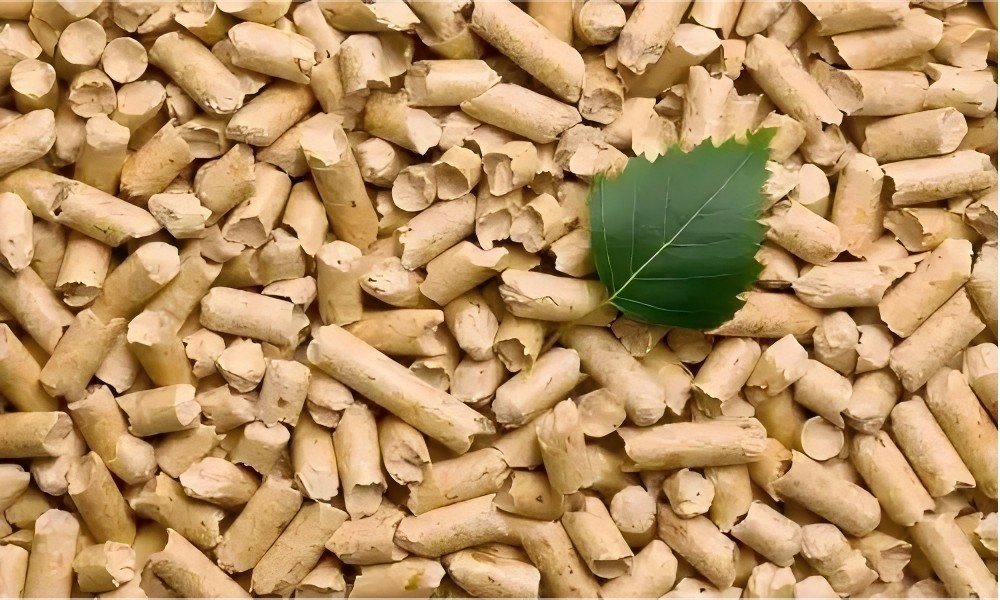





With the increasing global demand for renewable energy and sustainable fuel solutions, starting a sawdust pellet business has become an attractive investment opportunity for entrepreneurs, wood processing companies, and energy producers. Sawdust pellets are widely used as biomass fuel for residential heating, industrial boilers, power generation, and commercial energy applications. Their popularity comes from their renewable nature, high energy density, convenient transportation, and ability to transform wood waste into valuable products.
Every year, large amounts of sawdust are generated from sawmills, furniture factories, wood product manufacturers, and construction industries. Instead of treating this material as waste, businesses can process it into high-quality biomass pellets and create a profitable operation. However, building a successful sawdust pellet business requires careful planning, suitable equipment, reliable raw material supply, and effective market strategies.
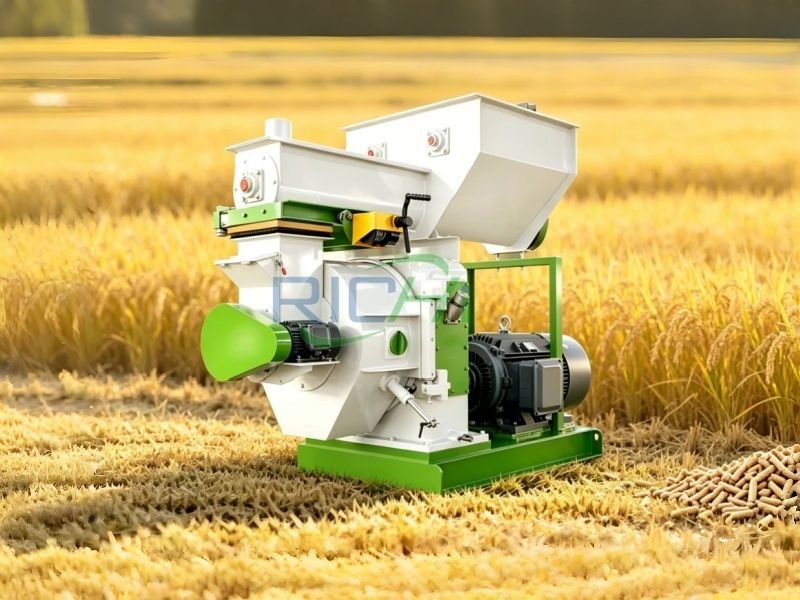
A key factor in establishing a successful pellet production business is selecting the right production equipment. The sawdust pellet making machine is the core equipment responsible for compressing loose sawdust into dense and durable pellets. Choosing efficient machinery and designing a complete production system according to raw materials and production requirements can significantly influence the profitability and long-term development of the business.
This article explains the major steps involved in starting a successful sawdust pellet business, from market research and raw material preparation to equipment selection, production management, and marketing strategies.
1. Understand the Sawdust Pellet Market
Before investing in a sawdust pellet business, conducting detailed market research is the first and most important step. Understanding market demand helps investors determine the suitable production scale, target customers, and business model.
The global biomass pellet market has expanded rapidly due to several factors:
- Increasing demand for renewable energy
- Government policies supporting clean energy
- Rising fossil fuel prices
- Growing environmental awareness
- Industrial transition toward low-carbon energy
Sawdust pellets are mainly used in several markets:
Residential Heating
In many regions, households use wood pellets as a cleaner alternative to traditional firewood and coal. Pellet stoves and boilers provide automatic feeding, stable heating, and convenient operation.
Industrial Boilers
Factories, hotels, food processing plants, textile facilities, and other industries use biomass pellets as fuel for steam generation and heating.
Power Generation
Large-scale power plants use biomass pellets for electricity production or co-firing with coal to reduce carbon emissions.
Export Markets
Countries with limited biomass resources often import wood pellets from regions with abundant forestry resources.
Understanding local and international demand helps investors develop a realistic business plan and select appropriate production capacity.
2. Analyze Raw Material Availability
A stable supply of raw materials is essential for the success of any sawdust pellet business. Sawdust is the main material used for pellet production, and its availability directly affects production costs and profitability.
Common sawdust sources include:
- Sawmills
- Furniture factories
- Wood processing plants
- Flooring manufacturers
- Timber companies
- Forestry operations
Before building a pellet plant, investors should evaluate:
Quantity of Available Sawdust
The production capacity of the plant should match the available raw material supply. A large pellet factory requires a continuous and stable supply of sawdust throughout the year.
Raw Material Quality
High-quality sawdust should have:
- Low contamination levels
- Appropriate moisture content
- Suitable particle size
- No harmful chemical additives
Sawdust from untreated wood is generally the best choice for fuel pellet production.
Transportation Costs
Since raw materials are often bulky before processing, transportation costs can influence profitability. Building a pellet plant close to sawmills or wood processing areas can reduce logistics expenses.
A successful business model begins with securing reliable and affordable raw materials.
3. Develop a Detailed Business Plan
A professional wood pellet line provides clear direction for investment and operation. It should include production targets, investment costs, operating expenses, and expected returns.
Important elements include:
Production Capacity Planning
Investors need to determine the desired output based on market demand and raw material availability.
Small-scale plants may produce several hundred kilograms per hour, while commercial pellet factories may produce several tons per hour.
Investment Budget
The investment usually covers:
- Land and factory construction
- Production equipment
- Installation costs
- Electrical systems
- Labor expenses
- Raw material storage facilities
- Transportation equipment
Operating Costs
Main operating expenses include:
- Electricity consumption
- Labor costs
- Maintenance costs
- Raw material purchasing
- Packaging materials
- Transportation expenses
Profit Analysis
Revenue mainly comes from pellet sales. Profitability depends on:
- Raw material cost
- Production efficiency
- Market price
- Energy consumption
- Equipment reliability
A detailed financial analysis helps investors avoid unnecessary risks and make informed decisions.
4. Choose the Right Sawdust Pellet Production Process
A complete sawdust pellet production process usually includes several stages:
- Raw material receiving and storage
- Cleaning
- Crushing
- Drying
- Pelletizing
- Cooling
- Screening
- Packaging
Each stage affects final pellet quality and production efficiency.
Raw Material Cleaning
Impurities such as stones, metal particles, and plastic materials must be removed to protect equipment and improve pellet quality.
Crushing
Although sawdust is already relatively small, further crushing may be required to achieve uniform particle size.
Drying
Moisture content plays an important role in pellet formation. Generally, sawdust should maintain suitable moisture levels to ensure strong pellet bonding.
Pelletizing
During pelletizing, compressed pressure forces sawdust through die holes, forming cylindrical pellets.
https://richipelletizer.com/sawdust-pellet-machine
Cooling and Screening
Fresh pellets need cooling to improve hardness. Screening removes broken pellets and fine powder before packaging.
A properly designed production process ensures stable output and consistent product quality.
5. Select High-Quality Pellet Production Equipment
Equipment selection is one of the most important decisions when starting a sawdust pellet business.
The core equipment is the sawdust pellet making machine, which determines production capacity, pellet quality, and operating efficiency.
A reliable pellet making machine should have:
Strong Compression Performance
High compression pressure ensures dense and durable pellets that are suitable for transportation and combustion.
Durable Components
High-quality dies, rollers, bearings, and transmission systems improve machine lifespan and reduce maintenance costs.
Stable Operation
Industrial pellet production requires continuous operation. Equipment should be designed for long working hours with minimal downtime.
Energy Efficiency
Efficient motors and optimized designs help reduce electricity consumption and improve profitability.
Besides the pellet making machine, a complete production line may include:
- Hammer mill
- Dryer
- Conveyor
- Storage silo
- Cooler
- Vibrating screen
- Packing machine
- Dust collection system
Professional equipment suppliers can provide customized solutions based on raw material characteristics and production goals.
6. Determine the Appropriate Production Capacity
Choosing the correct production scale is essential. A production line that is too small may fail to meet market demand, while excessive capacity may create unnecessary investment pressure.
Factors affecting capacity selection include:
Raw Material Supply
The available sawdust volume determines the realistic production scale.
Market Demand
Investors should estimate potential sales before deciding production output.
Investment Capability
Larger plants require higher initial investment but may achieve better economies of scale.
Future Expansion
A flexible production design allows additional equipment to be added when market demand increases.
Many successful businesses start with medium-scale production and expand gradually as customers and markets develop.
7. Build an Efficient Factory Layout
A well-designed factory layout improves production efficiency and reduces operational problems.
A typical sawdust pellet plant layout should consider:
Raw Material Storage Area
Large storage space ensures continuous production during supply fluctuations.
Production Area
Equipment should be arranged according to the production flow to minimize unnecessary material movement.
Finished Product Storage
Finished pellets should be stored in dry and clean conditions to maintain quality.
Transportation Access
Convenient loading and unloading areas reduce logistics costs.
Professional engineering support can help design a practical factory layout according to available land and production requirements.
8. Control Pellet Quality
High-quality pellets are essential for building customer trust and maintaining long-term business relationships.
Important quality indicators include:
Density
Dense pellets provide higher energy output and better transportation efficiency.
Durability
Strong pellets should maintain their shape during handling and storage.
Moisture Content
Proper moisture improves combustion performance and storage stability.
Ash Content
Low ash content improves fuel quality and reduces maintenance requirements.
Regular quality testing helps ensure that products meet customer expectations and market standards.
9. Establish Effective Sales Channels
Producing quality pellets is only one part of the business. Developing reliable sales channels is equally important.
Potential customers include:
- Biomass boiler operators
- Industrial factories
- Heating companies
- Power plants
- Fuel distributors
- Export companies
Marketing strategies may include:
Direct Sales
Selling directly to industrial customers can create stable long-term contracts.
Distributor Networks
Working with local fuel distributors helps expand market coverage.
Online Marketing
A professional website, search engine optimization, and digital marketing can attract international buyers.
Customer Relationship Management
Maintaining good relationships with existing customers helps generate repeat orders.
A strong sales strategy ensures stable revenue and business growth.
10. Focus on Cost Control and Operational Efficiency
Profitability depends not only on sales but also on effective cost management.
Key areas for cost control include:
Raw Material Management
Long-term supply agreements can help stabilize raw material prices.
Energy Efficiency
Modern production equipment reduces electricity and fuel consumption.
Maintenance Planning
Regular maintenance prevents unexpected downtime and expensive repairs.
Labor Optimization
Automation can reduce labor requirements and improve production consistency.
Efficient management helps maximize profit margins in a competitive biomass fuel market.
11. Work with an Experienced Equipment Supplier
Starting a sawdust pellet business involves many technical considerations. Working with an experienced equipment manufacturer can reduce investment risks.
A professional supplier can provide:
- Production line design
- Equipment manufacturing
- Installation guidance
- Technical training
- Maintenance support
- Spare parts supply
Experienced suppliers understand different raw materials and market requirements, allowing them to recommend suitable production solutions.
Choosing the right partner is especially important for investors who are new to biomass pellet production.
(view our website: RICHI Pellet Mill )
12. Consider Environmental and Safety Requirements
A successful pellet business must comply with environmental and safety regulations.
Important considerations include:
Dust Control
Sawdust particles can create dust hazards. Proper dust collection systems improve workplace safety.
Fire Prevention
Biomass materials should be stored and handled carefully to reduce fire risks.
Noise Control
Production equipment should operate within acceptable noise levels.
Waste Management
Efficient production systems should minimize material waste and recycle usable byproducts.
Following regulations protects workers, improves business reputation, and supports sustainable development.
13. Future Opportunities in the Sawdust Pellet Industry
The long-term outlook for the sawdust pellet industry remains positive.
Future growth opportunities include:
- Expansion of renewable heating markets
- Increased industrial biomass applications
- International pellet trade development
- Carbon reduction projects
- Advanced pellet production technology
As countries continue transitioning toward cleaner energy, demand for biomass pellets is expected to remain strong.
Entrepreneurs who establish efficient production systems and build reliable customer networks can benefit from the growing renewable energy market.
Conclusion
Starting a sawdust pellet business successfully requires careful planning, reliable raw materials, suitable equipment, effective production management, and strong market development. Sawdust pellets provide an excellent opportunity to convert wood waste into valuable renewable fuel while supporting environmental sustainability.
The sawdust pellet making machine plays a central role in transforming loose sawdust into high-quality biomass pellets. Selecting efficient equipment, designing a complete production line, and maintaining strict quality control are essential steps toward building a profitable pellet business.
With increasing global demand for clean energy and better utilization of biomass resources, sawdust pellet production offers promising opportunities for investors who are prepared to develop a professional and sustainable operation.