


Agricultural development has always been closely connected with resource utilization. Every year, farmers around the world produce enormous amounts of crop residues, including wheat straw, corn stalks, rice husks, barley straw, and other plant-based materials. However, a large portion of these resources are still burned or discarded due to limited processing methods.
With increasing attention toward renewable energy and sustainable agriculture, agricultural residues are no longer considered useless waste. Instead, they have become valuable raw materials for producing biomass fuel pellets, animal bedding, and industrial energy products.
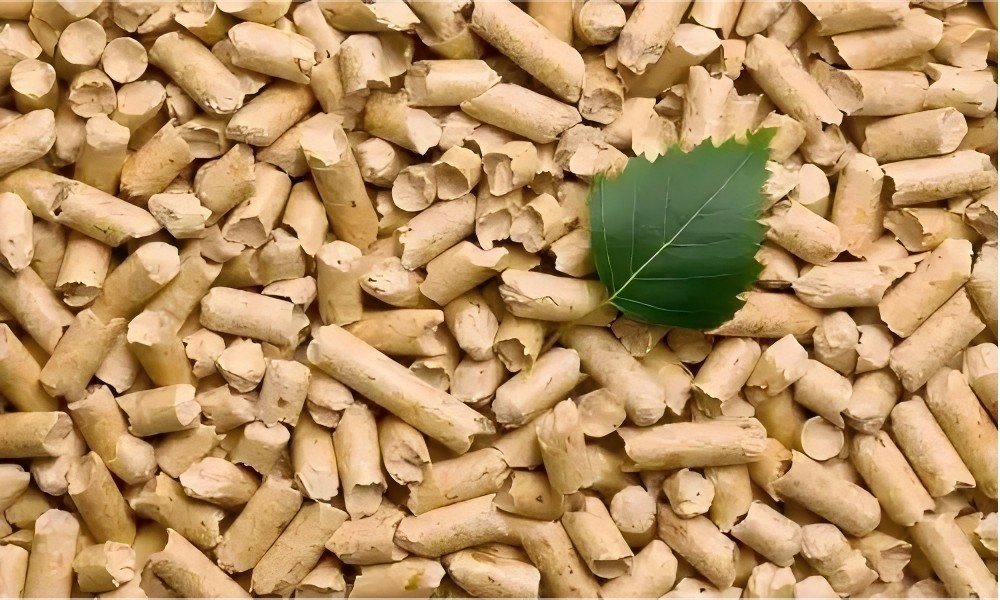
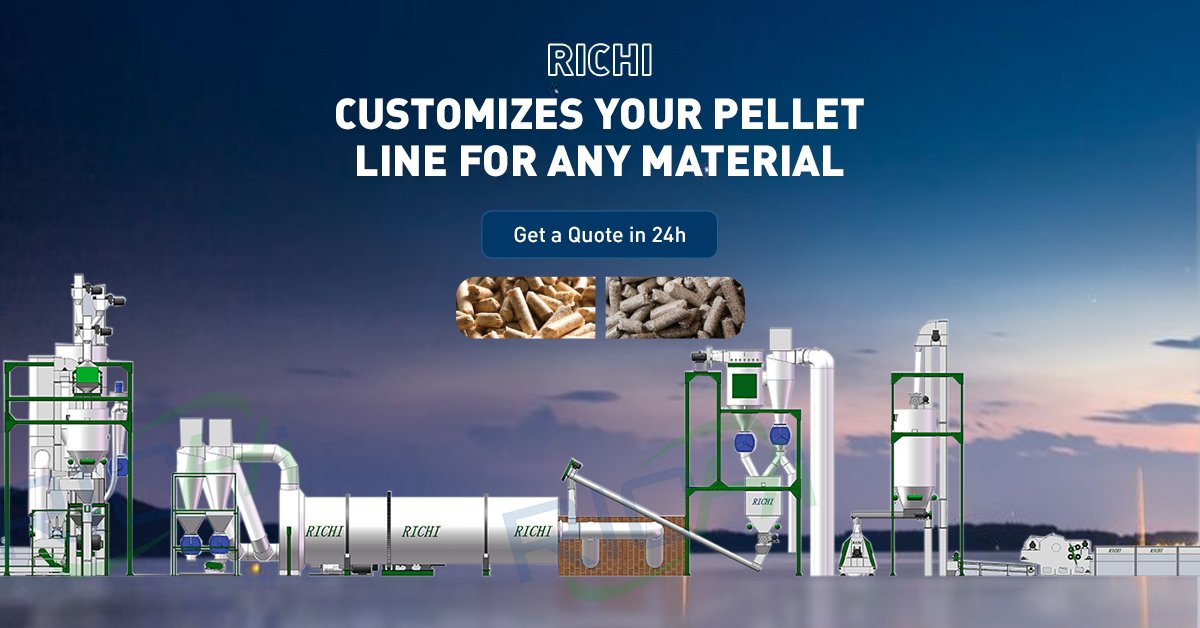
A modern straw pellet production line provides an effective solution by converting loose straw materials into dense, clean, and easy-to-transport pellets. This technology creates new business opportunities for farmers, agricultural companies, and biomass investors.
The Hidden Value Behind Agricultural Straw
For decades, straw has mainly been viewed as a by-product of crop production. Farmers often face challenges in handling large quantities of leftover materials after harvesting.
Common disposal methods include:
- Open-field burning
- Natural decomposition
- Low-value animal feeding
- Simple storage without utilization
However, these methods fail to maximize the economic potential of biomass resources.
Straw contains cellulose, hemicellulose, and lignin, which make it suitable for compression into solid biomass fuel. Through mechanical processing, low-density straw can be transformed into high-density pellets with better transportation efficiency and improved combustion performance.
This transformation creates value from materials that were previously considered waste.
Why Straw Pellet Production Is Becoming Popular
The global demand for renewable energy continues to increase. Industries are searching for alternatives to coal, natural gas, and other fossil fuels.
Straw pellets provide several advantages:
Renewable and Sustainable
Unlike fossil fuels, agricultural residues are continuously generated through farming activities. Proper utilization helps create a circular economy.
Lower Transportation Costs
Loose straw occupies large storage space. Pelletizing increases bulk density, making transportation and storage much easier.
Cleaner Combustion
High-quality biomass pellets provide stable combustion characteristics with lower emissions compared with traditional biomass burning methods.
Multiple Market Applications
Straw pellets can be used for:
- Industrial boilers
- Biomass power plants
- Residential heating
- Animal bedding
- Agricultural applications
This diversity allows producers to access different customer groups.
Understanding the Complete Pellet Manufacturing Process
Many new investors believe producing straw pellets only requires a pellet machine. However, commercial production requires a complete processing system.
A professional production process usually includes several important stages.
1. Straw Crushing
Raw straw often has long fibers and irregular shapes. Crushing reduces material size and improves feeding performance.
A hammer mill or straw crusher creates uniform particles suitable for further processing.
2. Moisture Adjustment
Moisture content directly affects pellet quality.
If straw is too dry:
- Pellets may become fragile
- Production efficiency decreases
If straw is too wet:
- Energy consumption increases
- Pellet formation becomes difficult
Therefore, moisture must be controlled within an ideal range before pelletizing.
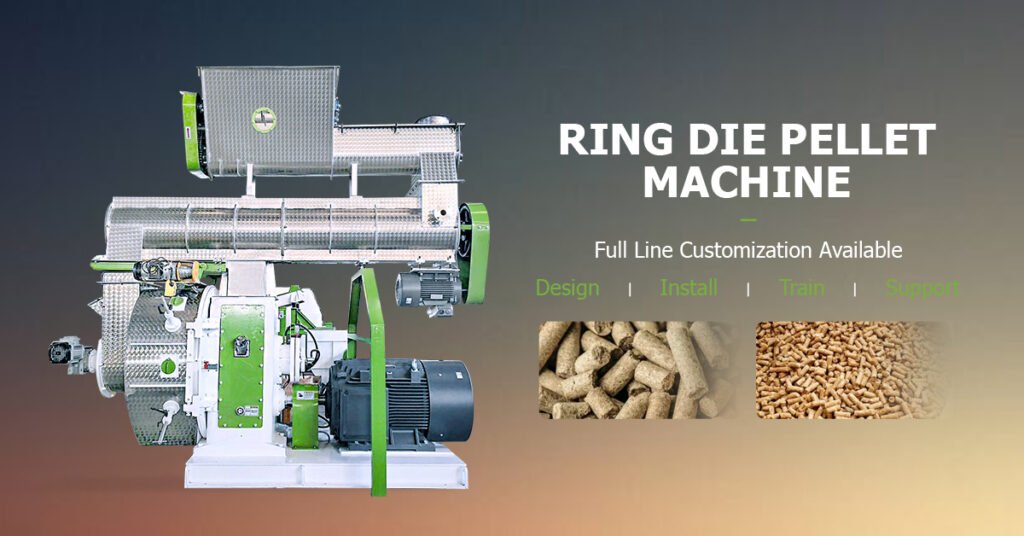
3. Pelletizing
During pellet production, biomass particles are compressed under high pressure.
The natural lignin inside plant fibers acts as a binding agent, helping particles form strong pellets.
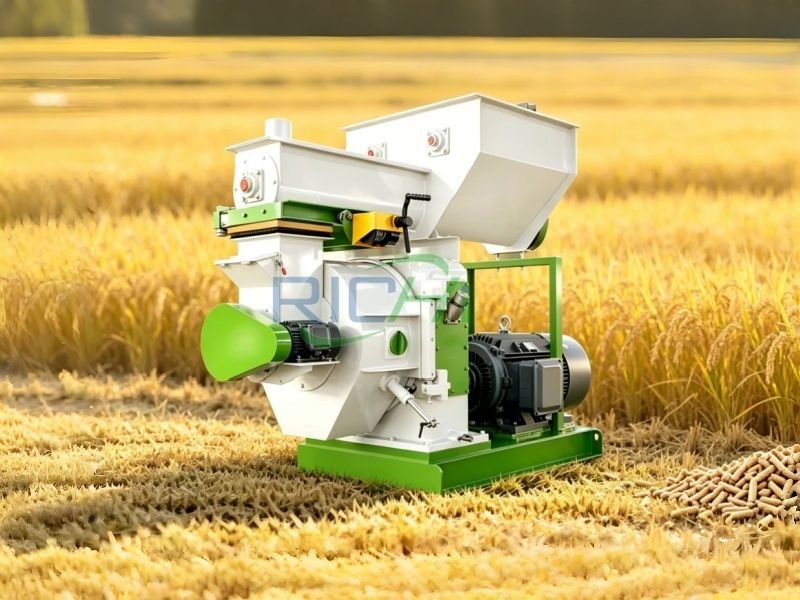
For medium-scale agricultural projects, investors may consider equipment such as the 1-2 T/H hay pellet machine for sale, which can handle different types of grass and straw materials with stable output.
4. Cooling and Screening
Fresh pellets leave the pellet mill with high temperature and moisture.
Cooling equipment improves:
- Pellet hardness
- Storage stability
- Product appearance
Screening systems separate fine particles and return them for reprocessing.
5. Packaging and Storage
Finished pellets can be packaged according to market requirements.
Common options include:
- Small retail bags
- Industrial bulk bags
- Truck loading systems
Efficient packaging improves transportation and customer satisfaction.
(Related Post: https://biomasspelletizer.com/miscanthus-pellet-mill/)
Expanding Business Opportunities With Multi-Raw Material Processing
One major advantage of modern biomass pellet equipment is flexibility.
A factory does not have to rely on only one material.
Depending on regional availability, producers can process:
- Wheat straw
- Rice straw
- Corn stalks
- Alfalfa
- Hay
- Grass
- Sawdust
- Wood chips
This flexibility reduces seasonal risks and improves equipment utilization.
For businesses located in agricultural regions, a straw pellet processing line can become a long-term investment because the raw material supply is renewable every year.
Small Projects vs Large Commercial Factories
Different investors have different goals.
Small Agricultural Businesses
Small farms or local biomass suppliers usually prefer compact production systems.
Advantages include:
- Lower investment cost
- Easier operation
- Faster market entry
Large Biomass Enterprises
Industrial investors normally focus on higher production capacity.
They require:
- Continuous operation
- Automated production
- Stable pellet quality
- Lower labor requirements
For larger forage and biomass businesses, a 3-4 T/H hay pellet making machine for sale can provide stronger production capability while supporting multiple raw materials.
Technology Improvements in Modern Pellet Factories
The biomass pellet industry has changed significantly in recent years.
Modern equipment focuses on:
Intelligent Control
Automatic control systems allow operators to monitor:
- Production speed
- Temperature
- Motor conditions
- Energy consumption
Improved Durability
Advanced pellet mill designs improve:
- Compression efficiency
- Die lifespan
- Production stability
Lower Operating Costs
Energy-saving motors and optimized production processes help reduce long-term expenses.
Many professional manufacturers now combine equipment design, engineering services, and production experience to provide complete solutions. Companies such as Richi manufacture focus on customized biomass processing projects based on different customer requirements.
How to Choose the Right Pellet Equipment Supplier
Selecting equipment is one of the most important decisions for investors.
Before purchasing, customers should evaluate:
Raw Material Experience
Different materials require different processing solutions.
Straw has unique fiber characteristics compared with wood materials, so equipment selection should consider:
- Fiber length
- Moisture level
- Density
- Seasonal changes
Production Capacity
Choosing the correct capacity prevents:
- Underutilization
- Excessive investment
- Production bottlenecks
Technical Support
Reliable suppliers should provide:
- Factory design
- Equipment installation
- Training
- Maintenance guidance
A complete technical team can significantly reduce project risks.
The Role of Biomass Pellets in Sustainable Agriculture
The development of straw pellet production creates benefits beyond energy production.
It helps farmers:
- Generate additional income
- Reduce waste management problems
- Improve resource efficiency
It also supports rural economic development by creating new industries around agricultural areas.
When agricultural waste becomes a commercial product, farming communities gain more opportunities for sustainable growth.
Future Development Trends
The biomass pellet market is expected to continue expanding as countries focus on renewable energy development.
Future trends include:
- Higher automation
- Larger production capacity
- Better energy efficiency
- Wider raw material applications
- International biomass trade growth
Investors who understand local resources and market demand can build competitive businesses through professional pellet production systems.
More information about biomass processing technology can be found through industry resources and practical engineering references. You can find out here now to explore additional solutions and learn how modern pellet technology is transforming agricultural waste management.
Conclusion
Agricultural straw is no longer simply a leftover material from farming. With modern processing technology, it can become a valuable renewable resource.
A well-designed straw pellet production line allows businesses to convert agricultural residues into profitable products while supporting environmental protection.
Whether starting a small biomass project or developing a large industrial factory, choosing suitable equipment, understanding raw materials, and working with experienced suppliers are essential steps toward long-term success.
With continuous innovation in pellet technology, agricultural waste will continue playing an important role in the global transition toward cleaner energy and sustainable production.