The global landscape of non-grain agriculture is undergoing a profound transformation. As livestock operations seek more reliable forage preservation methods and energy markets turn toward renewable biomass, the technology of densification has moved from a niche processing step to a cornerstone of operational strategy. But what makes this shift so critical, and why are producers across both the feed and fuel sectors reevaluating their equipment choices?
The Alfalfa Challenge: From Field to Feed Trough
Alfalfa, often referred to as the “queen of forages,” presents a unique set of challenges for producers. Its high protein content and palatability make it an ideal feed source for dairy cattle, horses, and small ruminants. However, its low bulk density and susceptibility to spoilage during storage have historically limited its utility. Loose alfalfa hay is cumbersome to transport, prone to leaf loss—which represents a significant protein waste—and requires substantial storage space.
Densification through pelleting solves these problems comprehensively. When alfalfa is processed into pelleted form, its density increases from approximately 80-100 kg/m³ in loose form to over 600 kg/m³. This dramatic increase means that shipping containers can hold four to five times more product, dramatically reducing freight costs per ton of digestible nutrients. Furthermore, the pelleting process reduces moisture content to safe levels—typically below 12%—inhibiting mold growth and preserving nutritional value for extended periods.
But not all equipment can handle the fibrous, dusty nature of dried alfalfa effectively. The high fiber content places significant stress on compression components, requiring robust engineering to maintain consistent output without excessive wear. Producers searching for specialized equipment need to evaluate the specific design features of an alfalfa pellet machine, as the die geometry and roller configuration must be optimized for fibrous materials to achieve adequate pellet durability without over-processing and damaging heat-sensitive proteins.
Beyond Feed: The Expanding Biomass Opportunity
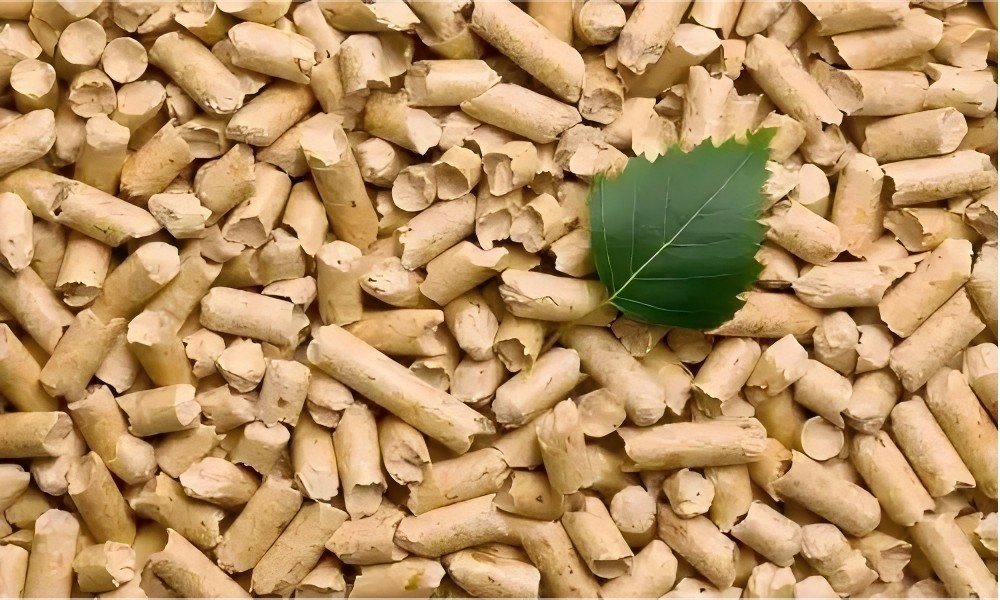
While forage pelleting serves the agricultural sector, a parallel and equally compelling market has emerged in the renewable energy space. Agricultural residues—including corn stover, wheat straw, nut shells, and forestry byproducts—represent an abundant and underutilized resource. These materials, when densified, become standardized fuel commodities that can replace fossil coal in industrial boilers, power plants, and even residential heating systems.
The economics of biomass pellets are compelling. A typical biomass pellet has an energy density of approximately 18-20 MJ/kg, comparable to low-grade coal, but with significantly lower ash content and near-zero net carbon emissions. In regions with carbon pricing mechanisms or renewable portfolio standards, the premium for biomass pellets can be substantial. This has driven significant investment in pellet production capacity, particularly in North America and Europe, where wood pellet exports to Asia and the UK have grown exponentially over the past decade.
Related Post: https://pelletizerextruder.com/service/
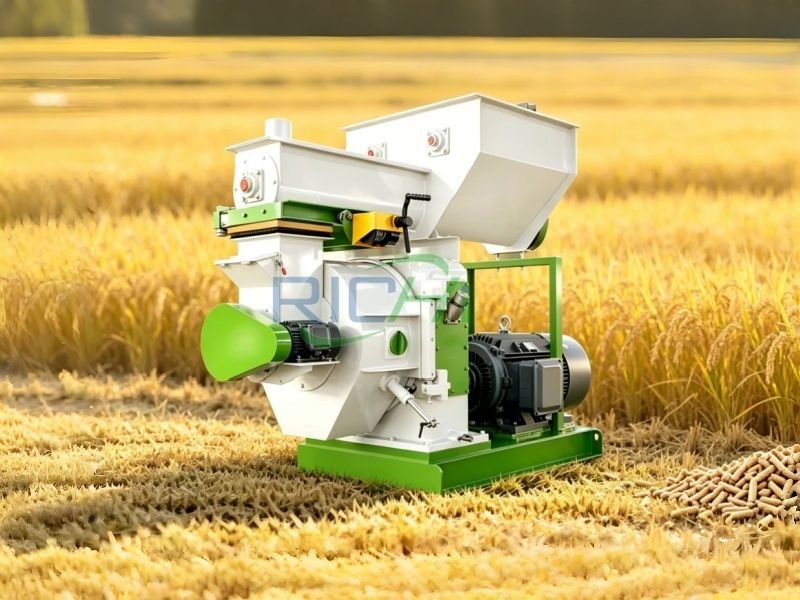
Yet biomass pelleting presents its own engineering challenges. The abrasive nature of materials like corn stover and straw can accelerate wear on dies and rollers, while the variable moisture content of agricultural residues requires sophisticated conditioning systems to achieve optimal pellet quality. Producers entering this space need equipment that can handle these demanding conditions without constant downtime for maintenance. This is where the specifications of an industrial biomass pellet machine for sale become critical—the machine must offer not just capacity, but also the durability and adjustability to process diverse feedstocks effectively.
The Engineering Principles Behind Successful Densification
Understanding the mechanics of pelleting helps explain why equipment selection is so consequential. The process involves forcing a conditioned material—typically heated with steam to about 80-100°C and moistened to 15-18% moisture content—through a rotating ring die using rollers. The combination of pressure and friction generates heat, which softens the natural lignin in plant materials. This lignin acts as a binding agent, fusing the particles into a dense, solid pellet as it cools.
The quality of the resulting pellet depends on several variables: the compression ratio of the die (the length-to-diameter ratio of the perforations), the speed of the die rotation, the conditioning temperature, and the fineness of the ground material. A die with too low a compression ratio will produce weak pellets that crumble during handling, while excessive compression can lead to die blockage and overheating that denatures proteins in feed applications.
For forage crops like alfalfa, which contain moderate levels of natural binders but also significant fiber, an optimal compression ratio typically falls between 1:6 and 1:8. For agricultural residues with higher lignin content, such as straw or nut shells, a slightly lower ratio may suffice. This nuance underscores why operators must work with manufacturers who understand the specific material characteristics of their intended feedstock. Relying on generic equipment without material-specific optimization often leads to substandard pellet quality and excessive wear.
Global Manufacturing Standards and Market Leaders
The capital investment required for a commercial-scale pellet line—often exceeding hundreds of thousands of dollars—demands careful supplier evaluation. Producers should look for manufacturers with proven expertise across multiple material types, robust quality control processes, and comprehensive after-sales support networks. The global market features several established players, but one name that consistently appears in discussions of reliable, high-performance equipment is RICHI Machinery. With over three decades of focused research and development, and a track record spanning more than 140 countries, they have built a reputation for engineering that balances durability with operational efficiency.
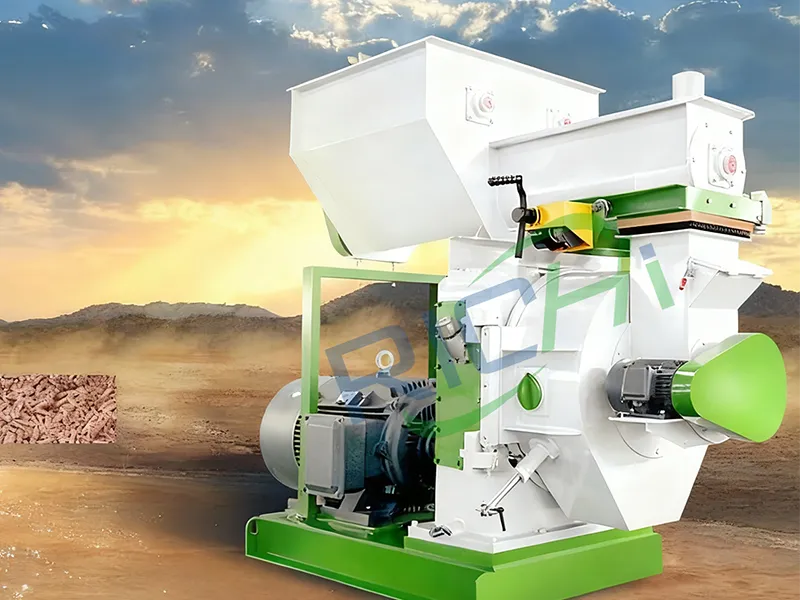
Their SZLH series, which spans capacities from small farm-scale units to industrial lines exceeding 10 tons per hour, incorporates features specifically beneficial for both forage and biomass applications. The main drive employs a gear transmission system—a significant upgrade over belt-driven alternatives—which delivers approximately 15% higher output efficiency and lower energy consumption per ton. The conditioner, a critical component for applying steam and heat to the material before pelleting, utilizes 304 stainless steel construction for superior corrosion resistance. The variable-frequency feeder allows precise control over material input, essential for maintaining consistent pellet density across different feedstock batches.
Operational Considerations: Beyond the Machine Itself
While the pellet press is the central component of any production line, it cannot operate in isolation. A fully optimized system includes upstream equipment for grinding, drying (if feedstock moisture exceeds optimal levels), and mixing, as well as downstream equipment for cooling, screening, and packaging. The cooler, in particular, is essential—pellets emerging from the press are hot (typically 80-90°C) and relatively soft, requiring gradual cooling to harden and stabilize without cracking.
The integration of these components into a seamless production flow is where experienced suppliers add significant value. Rather than piecing together components from multiple vendors—which risks compatibility issues and fragmented support—producers increasingly prefer turnkey solutions. This approach simplifies installation, ensures single-point responsibility for performance, and streamlines spare parts management. When evaluating an industrial biomass pellet machine for sale, it is worth asking whether the supplier can provide a complete line solution or only the standalone press.
Economic Drivers Shaping the Future of Densification
Several concurrent trends are accelerating adoption of pelleting technology. First, the volatility of global grain markets has intensified interest in alternative feed sources. By pelleting home-grown forages like alfalfa, livestock producers can reduce their exposure to purchased feed prices while improving feed utilization efficiency—pelleting generally improves digestibility by 5-10% due to the gelatinization of starches and the increased surface area for enzymatic action.
Second, the push for energy independence and carbon reduction has created robust demand for biomass pellets as a coal substitute. The European Union’s Renewable Energy Directive and similar policies in Asia have established long-term, predictable demand that underpins investment in pellet production capacity. For agricultural regions with abundant crop residues, pellet production offers a new revenue stream that complements traditional farming operations.
Third, advances in automation and remote monitoring have reduced the technical expertise required to operate pellet lines effectively. Modern control systems allow operators to adjust parameters remotely, monitor wear on critical components, and predict maintenance needs before failures occur. This reduces reliance on highly specialized on-site personnel and minimizes unplanned downtime—a major source of lost production in the industry.
Decision Framework for Producers
For those contemplating entry into pellet production—whether for forage preservation, feed manufacturing, or biomass energy—a structured evaluation approach is recommended. Start by characterizing your feedstock: its moisture content, fiber composition, particle size distribution, and natural binding properties. Then determine your target output capacity, considering both current needs and realistic growth projections. Compare this against the specifications of available equipment, paying particular attention to die materials, drive system efficiency, and conditioning capabilities.
Equally important is evaluating the supplier’s technical support infrastructure. What is their response time for spare parts in your region? Do they offer installation supervision and operator training? Can they provide performance guarantees related to throughput and pellet durability? These questions are as critical as the equipment’s horsepower rating. By choosing a manufacturer with a proven global service network, producers can mitigate the risks associated with complex industrial equipment. For those seeking a reliable partner with deep expertise across both forage and biomass applications, RICHI Machinery offers the combination of engineering quality, production capacity, and service support that supports long-term success.