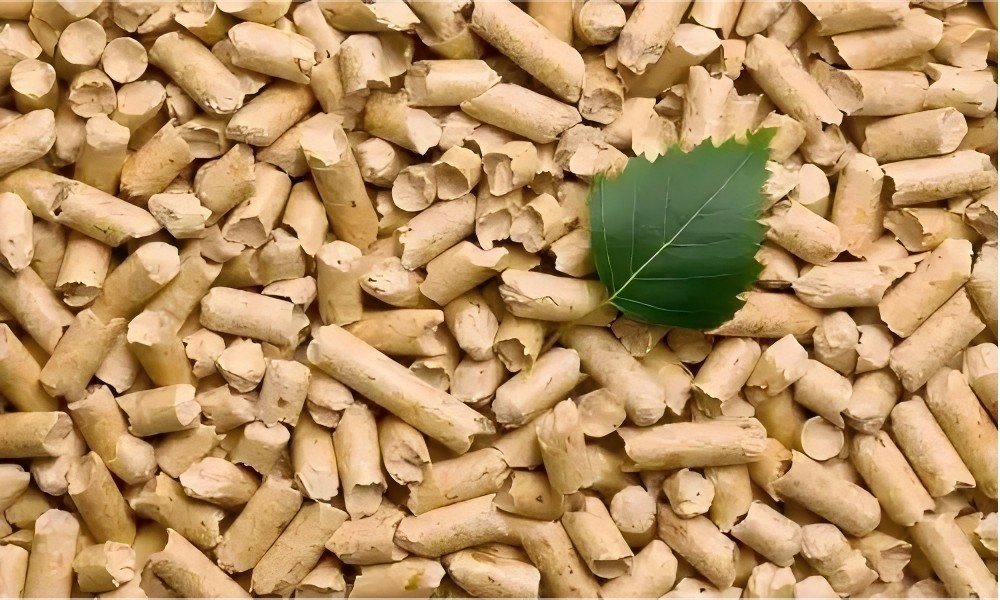

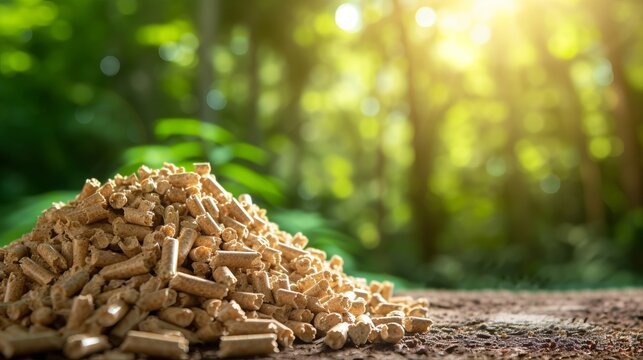
As global energy markets continue to evolve, investors are increasingly looking for opportunities that combine profitability with sustainability. Among the many renewable energy sectors, biomass pelletizing has gained significant attention due to its ability to convert agricultural residues, forestry by-products, and wood waste into valuable renewable fuel. Supported by rising demand for low-carbon energy, government incentives, and the expansion of biomass heating and power generation, the biomass pellet industry has become an attractive investment option in many regions.
However, like any industrial project, biomass pellet production requires careful planning, market analysis, and technology selection. Factors such as raw material availability, equipment investment, operating costs, pellet quality, and customer demand all influence long-term profitability.
So, is biomass pelletizing a good investment today? For many entrepreneurs, wood processing companies, agricultural cooperatives, and renewable energy developers, the answer is yes—provided that the project is based on reliable feedstock supplies, efficient production systems, and a well-defined market strategy.
This article explores the investment potential of biomass pelletizing, the opportunities driving industry growth, the challenges investors should consider, and the key factors that determine project success.
Why Biomass Pelletizing Is Growing
Global efforts to reduce greenhouse gas emissions have accelerated the adoption of renewable energy technologies. While solar and wind power receive considerable attention, biomass remains unique because it provides a dispatchable, storable, and transportable source of renewable energy.
Biomass pellets are now widely used for:
- Residential heating
- Commercial buildings
- Industrial boilers
- Combined heat and power (CHP)
- Utility-scale biomass power plants
- Coal co-firing projects
As demand for cleaner fuels increases, biomass pellets continue to gain market share.
The Global Biomass Pellet Market
The international biomass pellet market has expanded steadily over the past decade.
Several factors are driving this growth:
- Carbon reduction policies
- Renewable energy targets
- Rising fossil fuel costs
- Sustainable waste management
- Increasing industrial demand
- Growing residential heating markets
Many countries encourage biomass energy through subsidies, tax incentives, or renewable energy programs, creating favorable conditions for investment.
Abundant Raw Material Resources
One major advantage of biomass pellet production is the wide availability of raw materials.
Suitable feedstocks include:
- Sawdust
- Wood chips
- Wood shavings
- Forestry residues
- Rice husks
- Wheat straw
- Corn stalks
- Cotton stalks
- Peanut shells
- Sugarcane bagasse
- Palm fiber
- Coconut shells
- Bamboo residues
- Coffee husks
These materials are often considered waste products, allowing investors to create value from underutilized resources.
Converting Waste into Profit
Instead of paying for disposal, industries can monetize biomass waste through pellet production.
Examples include:
- Sawmills selling sawdust
- Furniture factories utilizing wood shavings
- Farms processing crop residues
- Forestry companies converting logging waste
Pelletizing transforms low-value biomass into standardized renewable fuel with strong commercial demand.
Multiple Revenue Opportunities
Biomass pellet businesses may generate income through several channels.
These include:
- Pellet sales
- Biomass fuel supply contracts
- Carbon reduction initiatives
- Waste recycling services
- Industrial heating fuel
- Export markets
Diversified revenue streams improve financial stability.
Strong Demand for Renewable Fuel
Many industries seek alternatives to coal and heavy fuel oil.
Biomass pellets offer several advantages:
- Renewable energy source
- Consistent fuel quality
- Automated fuel handling
- Lower emissions
- Stable combustion
- Easier transportation
As environmental regulations become stricter, demand for biomass fuel is expected to continue growing.
Production Technology Has Improved
Modern pellet plants are far more efficient than earlier generations.
Today’s facilities benefit from:
- Intelligent automation
- Energy-efficient motors
- Advanced drying systems
- Digital process monitoring
- Improved die design
- Automated packaging
These improvements reduce operating costs while increasing production capacity.
https://pelletisingmachine.com/vertical-ring-die-wood-pellet-mill
Equipment Investment
Selecting appropriate machinery is one of the most important investment decisions.
A complete biomass pellet production line may include:
- Wood chipper
- Hammer mill
- Rotary dryer
- Storage silo
- Pellet mill
- Counterflow cooler
- Vibrating screen
- Packing machine
- Dust collection system
- Electrical control system
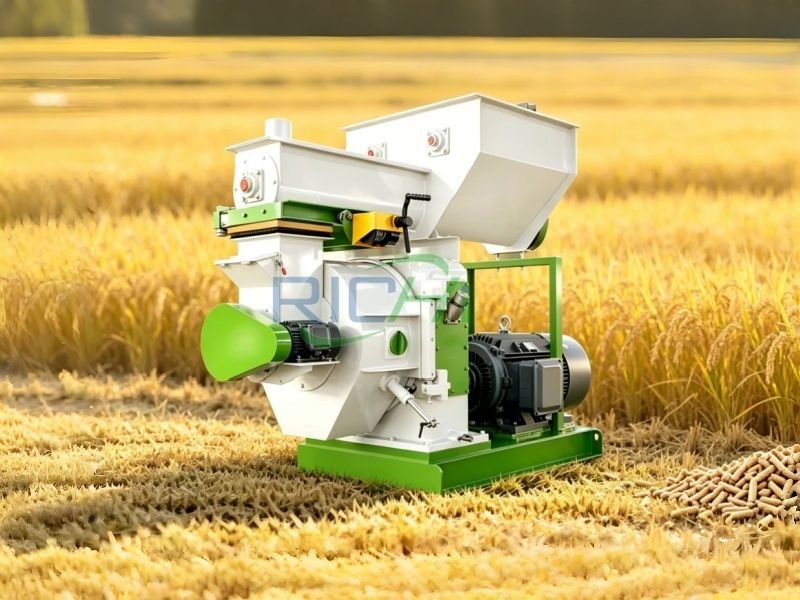
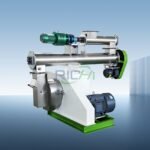
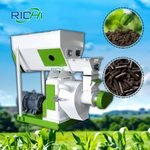
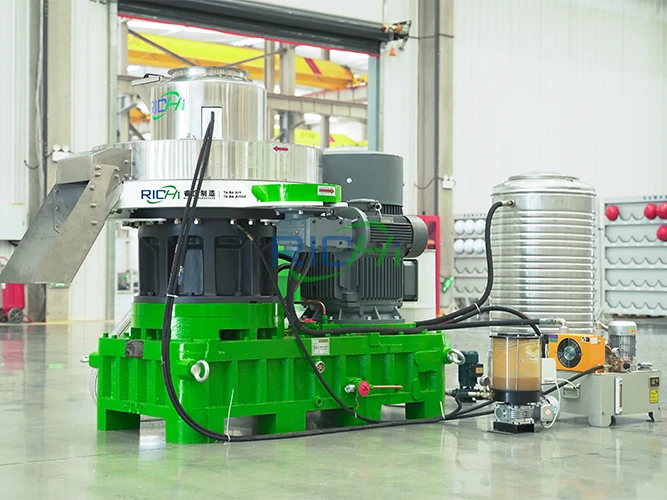
Many investors choose a vertical pellet machine for wood waste because it offers stable feeding, high pellet density, efficient heat dissipation, and reliable continuous operation. A vertical pellet machine for wood waste is especially suitable for processing sawdust, wood chips, wood shavings, forestry residues, and other biomass materials into premium fuel pellets while maintaining high production efficiency.
Initial Investment Costs
Investment costs vary according to:
- Plant capacity
- Automation level
- Raw material preparation
- Drying requirements
- Factory construction
- Labor costs
Although capital investment can be significant, efficient production systems often achieve attractive long-term returns.
Operating Costs
Major operating expenses include:
- Raw materials
- Electricity
- Labor
- Maintenance
- Transportation
- Packaging
Reducing energy consumption and maximizing equipment utilization greatly improve profitability.
Raw Material Availability Is Critical
Successful pellet projects require reliable feedstock supplies.
Investors should evaluate:
- Annual biomass availability
- Seasonal fluctuations
- Transportation distance
- Material quality
- Long-term supplier agreements
Plants located close to biomass sources usually enjoy lower operating costs.
Location Selection
Factory location influences project economics.
Ideal locations provide:
- Abundant biomass
- Good transportation infrastructure
- Access to electricity
- Skilled labor
- Nearby customers
- Expansion opportunities
Careful site selection reduces logistics expenses.
Product Quality Determines Market Success
High-quality pellets command better market prices.
Important quality indicators include:
- Moisture content
- Bulk density
- Mechanical durability
- Ash content
- Heating value
- Uniform dimensions
Consistent quality strengthens customer confidence.
Automation Improves Profitability
Modern automation systems monitor:
- Material flow
- Moisture
- Temperature
- Motor load
- Production capacity
- Pellet quality
Automation offers several benefits:
- Reduced labor costs
- Higher efficiency
- Better product consistency
- Lower maintenance expenses
Intelligent monitoring also supports predictive maintenance. (try this website)
Environmental Advantages
Biomass pelletizing supports sustainable development.
Environmental benefits include:
- Reduced landfill waste
- Lower greenhouse gas emissions
- Improved agricultural waste utilization
- Better forest management
- Reduced open-field burning
These advantages align with global environmental policies.
Risks Investors Should Consider
Like every industrial investment, biomass pellet production involves risks.
Potential challenges include:
Feedstock Price Fluctuations
Competition for biomass materials may increase raw material costs.
Market Competition
Growing industry participation increases competition.
Differentiating through quality and efficiency becomes increasingly important.
Equipment Maintenance
Poor maintenance reduces production capacity and increases repair costs.
Preventive maintenance is essential.
Transportation Costs
Biomass has relatively low energy density before pelletizing.
Locating production close to feedstock sources minimizes logistics expenses.
Regulatory Changes
Renewable energy policies vary between countries.
Investors should monitor government regulations and market incentives.
How to Improve Investment Returns
Several strategies improve profitability.
Secure Long-Term Feedstock Supply
Reliable raw material contracts reduce production interruptions.
Invest in Efficient Equipment
High-quality machinery often lowers long-term operating costs.
Optimize Production
Continuous process improvement increases productivity.
Diversify Customers
Selling to multiple industries reduces market risk.
Implement Quality Management
Consistent pellet quality supports premium pricing.
Emerging Market Opportunities
Several market trends support continued investment growth.
These include:
- Industrial decarbonization
- Carbon neutrality initiatives
- Expansion of biomass power generation
- Growth of pellet exports
- Increased rural biomass utilization
- Circular economy development
New applications continue expanding biomass demand worldwide.
Future Technology Trends
The industry continues advancing rapidly.
Future developments include:
- Artificial intelligence
- Smart manufacturing
- Digital twins
- Advanced sensors
- Energy optimization
- Predictive maintenance
- Automated quality inspection
These technologies will improve production efficiency while reducing operating costs.
Is Biomass Pelletizing Suitable for Small Investors?
Not every pellet project requires a massive industrial facility.
Small and medium-scale pellet plants can successfully serve:
- Local heating markets
- Agricultural cooperatives
- Industrial customers
- Regional fuel distributors
Scalable equipment allows investors to expand gradually as demand grows.
Long-Term Outlook
Renewable energy will remain a major driver of biomass pellet demand.
Increasing global emphasis on:
- Carbon reduction
- Sustainable resource management
- Waste recycling
- Renewable heating
- Industrial fuel switching
supports continued industry expansion.
Manufacturers that combine efficient production with reliable raw material sourcing are well positioned for long-term success.
Conclusion
Biomass pelletizing has evolved into one of the most promising investment opportunities within the renewable energy sector. By converting agricultural residues, forestry by-products, and wood waste into high-value renewable fuel, pellet production creates both environmental and economic benefits. Strong global demand for clean energy, abundant biomass resources, and ongoing technological improvements continue to enhance the industry’s investment potential.
Success, however, depends on careful planning. Investors must evaluate feedstock availability, market demand, production efficiency, operating costs, and equipment reliability before launching a project. Modern machinery, including the vertical pellet machine for wood waste, enables manufacturers to process diverse biomass materials with high efficiency, consistent pellet quality, and dependable long-term operation. For businesses seeking to participate in the transition toward sustainable energy while building profitable industrial operations, biomass pelletizing remains a compelling investment option today and for the foreseeable future.