

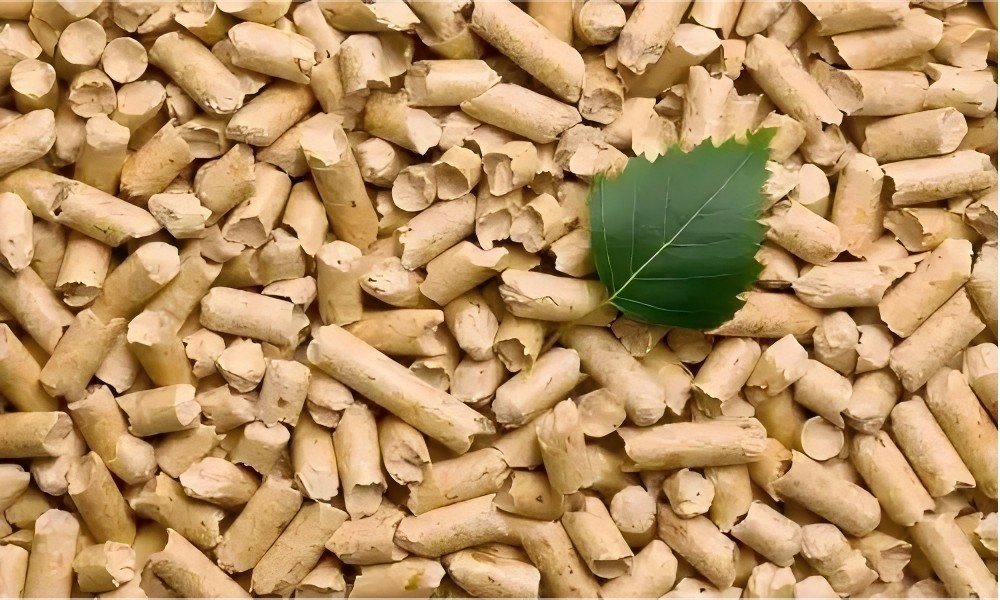
The global shift toward renewable energy has created significant opportunities for businesses involved in biomass fuel production. Among the various renewable energy options available today, biomass pellets have emerged as one of the most practical and widely adopted alternatives to fossil fuels. Produced from wood waste, agricultural residues, forestry by-products, and other organic materials, biomass pellets are used extensively in residential heating, industrial boilers, combined heat and power systems, and biomass power plants.
As demand for cleaner energy continues to increase, many entrepreneurs and investors are considering entering the biomass pellet industry. However, before committing capital to a new project, one important question must be answered: Is biomass pellet production a profitable investment?
The answer depends on several factors, including raw material availability, production costs, market demand, equipment selection, and operational efficiency. This article examines the profitability of biomass pellet production and explores the key elements that influence investment success.
Understanding the Biomass Pellet Industry
Biomass pellets are compressed fuel products made from renewable organic materials. Common feedstocks include:
- Sawdust
- Wood chips
- Wood shavings
- Rice husks
- Corn stalks
- Wheat straw
- Bagasse
- Forestry residues
The pelletizing process transforms low-density biomass into compact fuel with high energy density and low moisture content.
The growing popularity of biomass pellets is driven by several global trends:
- Rising fossil fuel prices
- Carbon reduction policies
- Renewable energy targets
- Industrial decarbonization initiatives
- Increased demand for sustainable fuels
These factors have created favorable conditions for investment in biomass pellet manufacturing.
Why Biomass Pellets Are in High Demand
One reason biomass pellet production can be profitable is the strong and growing demand for renewable fuel.
Residential Heating
Many households use pellet stoves and pellet boilers for efficient heating.
Industrial Applications
Factories and processing plants use biomass pellets to generate steam and process heat.
Power Generation
Biomass power plants and co-firing facilities consume large quantities of pellets.
Commercial Heating
Schools, hospitals, and commercial buildings increasingly utilize biomass energy systems.
As governments encourage renewable energy adoption, demand for biomass pellets continues to expand worldwide.
Market Growth Creates Investment Opportunities
The global biomass pellet market has experienced substantial growth over the last decade.
Major pellet-consuming regions include:
- Europe
- Japan
- South Korea
- North America
Several countries have introduced policies that encourage biomass fuel usage, creating long-term market opportunities for pellet producers.
In many regions, biomass pellets have become a preferred renewable energy source because they can be integrated into existing heating and power generation systems with relatively few modifications.
This sustained demand provides a solid foundation for profitable investment.
https://richipelletizer.com/wood-pellet-production-line-price
Raw Material Availability and Profitability
One of the most important factors affecting profitability is access to affordable raw materials.
Biomass feedstocks often represent the largest operating expense in pellet production.
Profitable pellet manufacturers typically locate facilities near abundant biomass resources.
Wood Processing Waste
Sources include:
- Sawmills
- Furniture factories
- Woodworking facilities
Agricultural Residues
Examples include:
- Rice husks
- Corn stalks
- Wheat straw
- Cotton stalks
Forestry Residues
These include:
- Tree branches
- Logging waste
- Forest thinning materials
When raw materials are readily available and inexpensive, production costs decrease significantly, improving profit margins.
Revenue Potential of Biomass Pellet Production
Revenue depends on several factors:
Production Capacity
Higher output generally increases total revenue potential.
Pellet Quality
Premium pellets often command higher market prices.
Market Location
Some regions offer stronger demand and better pricing.
Customer Base
Long-term contracts provide revenue stability.
A medium-sized pellet facility producing several tons per hour can generate substantial annual sales when operating efficiently and maintaining consistent product quality.
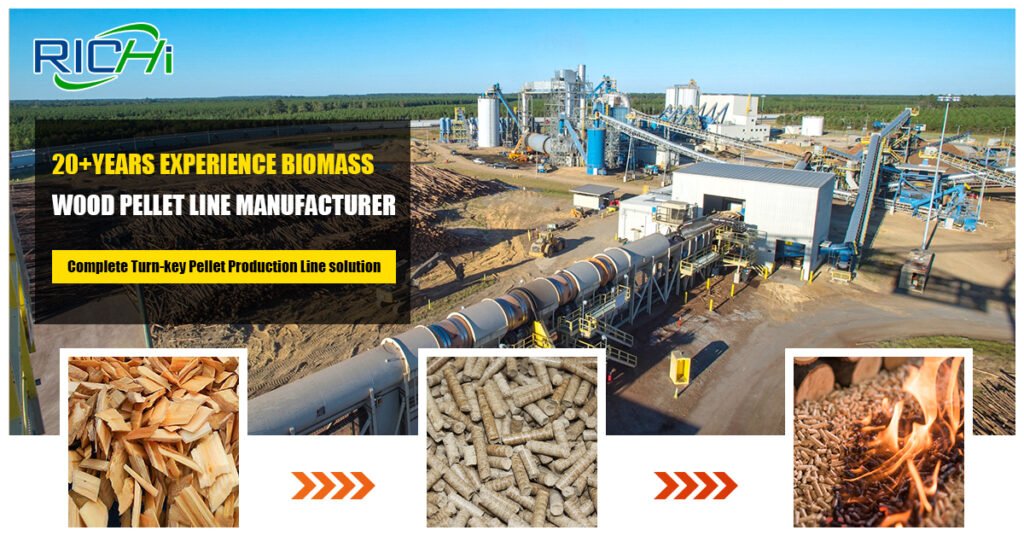
Understanding the Costs of a Wood Pellet Plant
To evaluate profitability accurately, investors must understand the costs associated with establishing and operating a wood pellet plant.
Major investment categories include:
Equipment
- Wood chippers
- Hammer mills
- Dryers
- Pellet mills
- Coolers
- Screeners
- Packaging machines
Infrastructure
- Factory buildings
- Warehouses
- Roads
- Utility connections
Land Acquisition
Land costs vary significantly depending on location.
Installation and Commissioning
Equipment setup and testing require additional investment.
Working Capital
Funds are needed for raw materials, labor, and operating expenses.
The total investment required for a wood pellet plant depends on production capacity, automation level, and project location.
Operating Costs and Their Impact on Profitability
Operating costs significantly influence long-term profitability.
Raw Materials
Typically represent the largest expense.
Electricity
Pellet production equipment consumes considerable energy.
Labor
Skilled operators and maintenance personnel are essential.
Equipment Maintenance
Regular servicing prevents costly breakdowns.
Transportation
Both incoming raw materials and outgoing pellets incur logistics costs.
Efficient management of these expenses is critical for maximizing profit margins.
The Importance of Production Efficiency
Production efficiency directly affects profitability.
Higher efficiency results in:
- Lower energy consumption
- Reduced labor costs
- Increased output
- Improved product quality
Modern pellet production facilities often utilize:
- Automated control systems
- Energy-efficient motors
- Advanced drying technologies
- Optimized material handling systems
Investing in efficient technology can significantly improve long-term financial performance.
Why Product Quality Matters
Pellet quality influences customer satisfaction and market competitiveness.
Important quality indicators include:
Moisture Content
Low moisture improves combustion efficiency.
Pellet Durability
Strong pellets withstand transportation and handling.
Ash Content
Lower ash content reduces maintenance requirements.
Heating Value
Higher calorific value increases customer value.
Producers that consistently manufacture premium pellets can often secure better pricing and long-term supply contracts.
Export Markets and Profit Potential
Many pellet producers achieve higher profitability through exports.
Major importing countries include:
- Japan
- South Korea
- United Kingdom
- Denmark
- Netherlands
Export markets often provide:
- Larger sales volumes
- Higher prices
- Long-term purchasing agreements
However, exporters must also consider:
- Shipping costs
- Certification requirements
- International quality standards
When managed effectively, exports can substantially increase revenue potential.
Government Policies and Financial Incentives
Government support frequently enhances project profitability.
Common incentives include:
Renewable Energy Subsidies
Financial assistance for renewable energy projects.
Tax Benefits
Reduced tax burdens improve financial returns.
Carbon Reduction Programs
Incentives encourage biomass fuel adoption.
Low-Interest Loans
Special financing programs may reduce capital costs.
Investors should carefully research available incentives in their target region before launching a project.
Environmental Benefits Create Additional Value
Environmental sustainability has become an increasingly important business advantage.
Biomass pellet production contributes to:
Waste Utilization
Converts residues into valuable fuel.
Carbon Emission Reduction
Supports climate goals.
Sustainable Forestry
Promotes responsible forest management.
Circular Economy Development
Creates value from waste materials.
These environmental benefits can improve market positioning and attract environmentally conscious customers.
Factors That Improve Biomass Pellet Profitability
Several strategies can enhance investment returns.
Secure Long-Term Raw Material Contracts
Stable feedstock supplies reduce price volatility.
Invest in High-Quality Equipment
Reliable machinery improves productivity.
Optimize Production Processes
Reduce waste and maximize efficiency.
Maintain Product Quality
Premium pellets achieve higher selling prices.
Develop Strong Customer Relationships
Long-term contracts provide revenue stability.
Successful producers focus on continuous improvement across all areas of operation.
Potential Risks of Biomass Pellet Investments
Although biomass pellet production offers significant opportunities, investors should understand potential risks.
Raw Material Price Fluctuations
Increased feedstock costs can reduce profit margins.
Market Competition
Growing industry participation may increase competition.
Regulatory Changes
Energy policies can influence market demand.
Equipment Downtime
Unexpected failures can interrupt production.
Transportation Challenges
Logistics disruptions may affect supply chains.
Careful planning and risk management help minimize these challenges.
How Long Does It Take to Recover the Investment?
The payback period for a biomass pellet project depends on:
- Initial investment size
- Production capacity
- Operating costs
- Pellet selling prices
- Market demand
Well-managed projects often recover their investment within several years, although actual results vary based on local conditions.
Facilities with reliable raw material supplies and strong market access generally achieve faster returns.
Future Outlook for Biomass Pellet Production
The long-term outlook for the biomass pellet industry remains highly positive. (visit site)
Several trends support continued growth:
Carbon Neutrality Goals
Governments worldwide are pursuing net-zero emissions targets.
Renewable Energy Expansion
Biomass remains an important component of renewable energy portfolios.
Industrial Decarbonization
Industries increasingly seek low-carbon fuel alternatives.
Technological Innovation
Advanced production technologies continue to improve efficiency.
These developments are expected to sustain demand for biomass pellets for many years.
Why a Wood Pellet Plant Can Be a Strategic Investment
For investors seeking opportunities in the renewable energy sector, a modern wood pellet plant can offer several strategic advantages.
These include:
- Participation in a growing industry
- Strong long-term demand
- Opportunities for export sales
- Environmental sustainability benefits
- Potential government support
When properly planned and managed, a wood pellet plant can generate stable revenue while contributing to global renewable energy development.
Conclusion
So, is biomass pellet production a profitable investment? In many cases, the answer is yes. The combination of growing renewable energy demand, increasing environmental awareness, expanding international markets, and supportive government policies creates favorable conditions for investment in the biomass pellet industry.
However, profitability depends on careful planning, reliable raw material supplies, efficient operations, and consistent product quality. Investors must thoroughly evaluate market conditions, production costs, and equipment requirements before launching a project.
A well-designed wood pellet plant located near abundant biomass resources and supported by strong customer relationships can become a highly profitable business. As the world continues its transition toward cleaner energy sources, biomass pellet production is likely to remain an attractive investment opportunity for entrepreneurs and renewable energy developers alike.