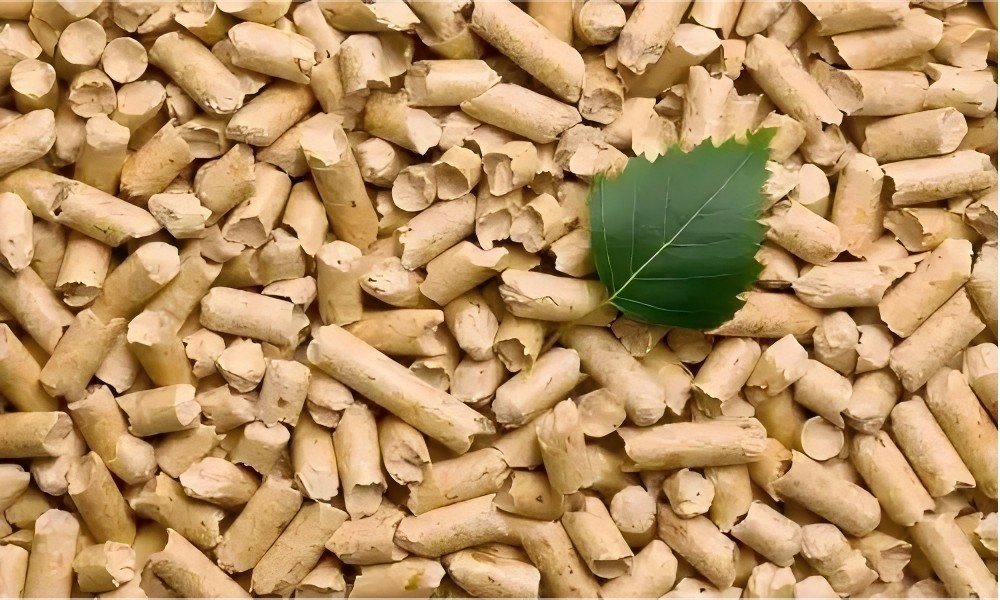

Biomass fuel pellets have become a key component in the global shift toward renewable and sustainable energy systems. As industries, governments, and households increasingly seek alternatives to fossil fuels, biomass pellets offer a practical solution that combines environmental benefits with high energy efficiency. However, not all biomass pellets are created equal. The quality of biomass fuel pellets directly determines their combustion performance, energy output, storage stability, and market value.
Improving biomass fuel pellet quality efficiently is therefore a critical goal for producers aiming to stay competitive in the rapidly growing green energy market. High-quality pellets require careful control of raw materials, processing parameters, and production equipment.
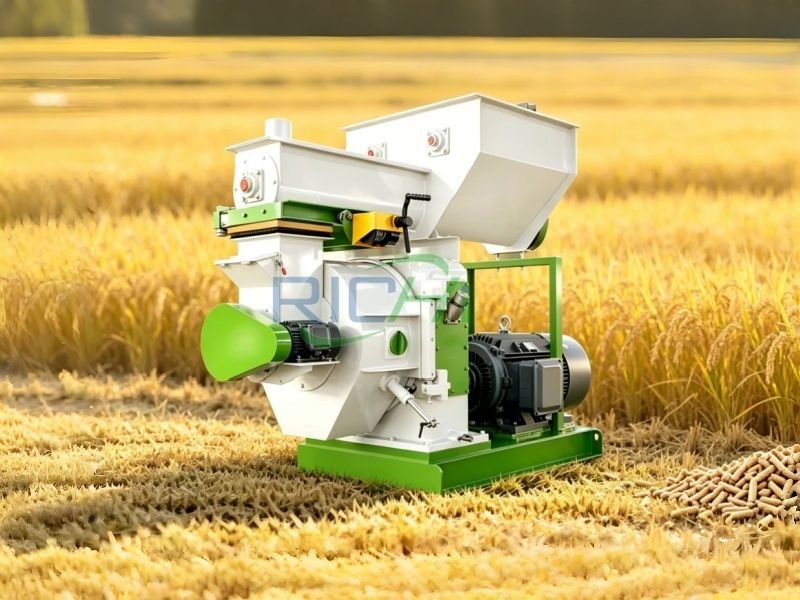
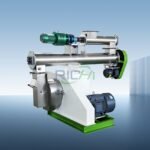
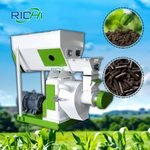
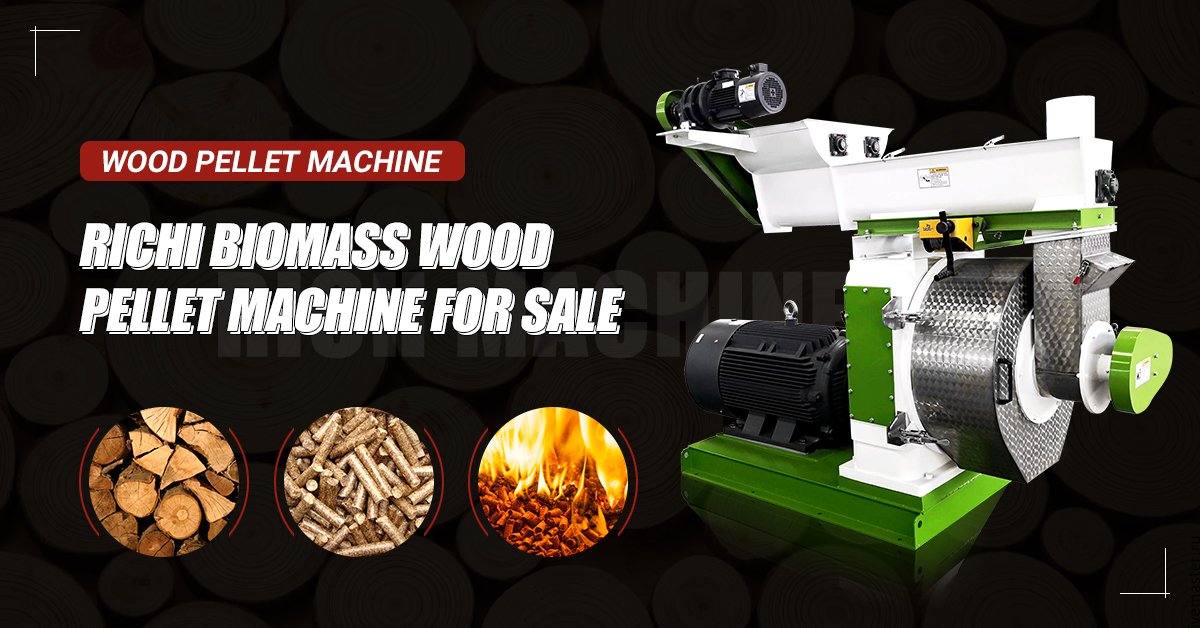
Modern systems rely heavily on advanced machinery such as the biomass pellet mill and the wood chip pellet maker, which play essential roles in ensuring consistent output, stable pellet formation, and optimized fuel performance.
This article provides a comprehensive guide on how to improve biomass fuel pellet quality efficiently, covering raw material selection, processing techniques, equipment optimization, moisture control, and industrial best practices.
1. Understanding Biomass Fuel Pellet Quality
Before improving pellet quality, it is important to understand what defines a high-quality biomass fuel pellet.
1.1 Key Quality Indicators
High-quality biomass pellets typically have:
- High density
- Low moisture content
- High calorific value
- Low ash content
- Strong mechanical durability
- Uniform size and shape
1.2 Why Pellet Quality Matters
Pellet quality affects:
- Combustion efficiency
- Heat output
- Storage stability
- Transportation cost
- Customer satisfaction
Poor-quality pellets may break easily, produce excessive ash, or burn inefficiently.
2. Raw Material Selection: The Foundation of Pellet Quality
Raw materials are the most important factor influencing biomass pellet quality.
2.1 Best Raw Materials for High-Quality Pellets
Common high-quality biomass materials include:
- Clean wood chips
- Hardwood sawdust
- Agricultural residues (properly processed)
- Corn stalks
- Rice husks (blended carefully)
2.2 Importance of Material Purity
Contaminants such as:
- Sand
- Metal
- Plastic
- Soil
can significantly reduce pellet quality and damage equipment.
2.3 Moisture Content Control
Ideal moisture level:
- 10%–15%
Too much moisture causes:
- Poor compression
- Weak pellet structure
- Reduced combustion efficiency
3. Role of Biomass Pellet Mill in Quality Improvement
The biomass pellet mill is the core machine in biomass fuel production.
3.1 Working Principle
The biomass pellet mill works by:
- Feeding prepared biomass into the machine
- Applying high pressure and friction
- Forcing material through a die
- Forming dense pellets
3.2 How It Improves Pellet Quality
A high-quality biomass pellet mill ensures:
- Uniform pellet density
- Stable compression force
- Consistent output size
- Reduced powder content
3.3 Operational Optimization
To improve quality, operators should:
- Adjust pressure settings
- Control feed rate
- Maintain die condition
- Monitor temperature
4. Importance of Wood Chip Pellet Maker in Production Efficiency
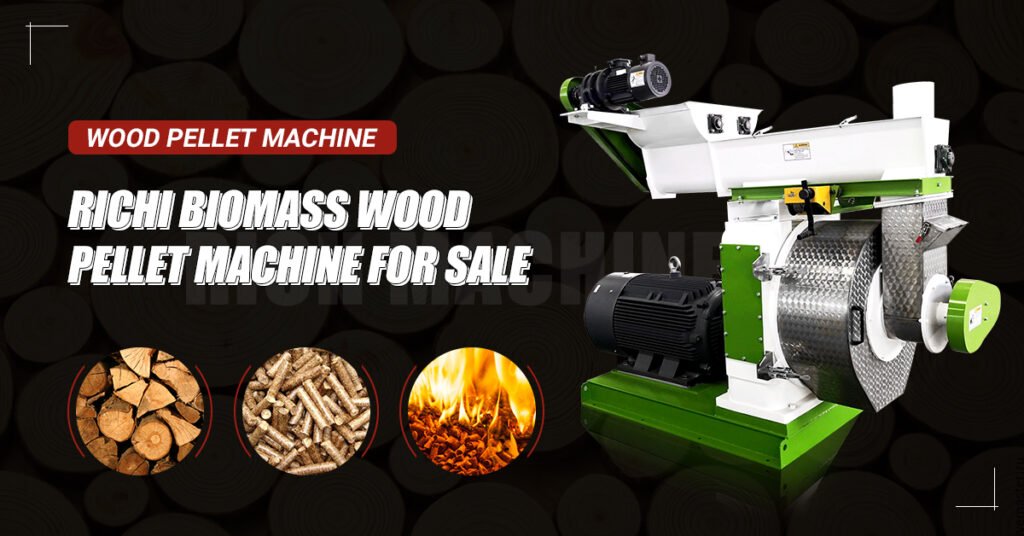
The wood chip pellet maker plays a crucial role in converting forestry waste into high-quality fuel pellets.
https://pelletisingmachine.com/wood-chip-pellet-machine
4.1 What Is a Wood Chip Pellet Maker?
A wood chip pellet maker is a specialized machine designed to process:
- Wood chips
- Forestry residues
- Sawdust mixtures
into dense biomass pellets.
4.2 Advantages in Pellet Quality Improvement
Using a wood chip pellet maker helps:
- Achieve better material compression
- Improve pellet hardness
- Reduce fines and dust
- Ensure consistent fuel quality
4.3 Why Wood Chips Are Ideal
Wood chips are suitable because they contain:
- High lignin content (natural binder)
- Stable energy properties
- Low ash production
4.4 Impact on Industrial Production
In large-scale systems, the wood chip pellet maker ensures:
- Continuous production
- Stable quality output
- Efficient energy use
5. Particle Size Optimization
Particle size is a critical factor in pellet quality.
5.1 Why Particle Size Matters
Smaller particles:
- Improve binding
- Increase density
- Enhance combustion efficiency
5.2 Grinding Process
Raw materials should be processed through:
- Hammer mills
- Crushers
- Fine grinders
5.3 Resulting Benefits
Proper particle size leads to:
- Stronger pellets
- Lower breakage rate
- Higher energy output
6. Moisture Control and Drying Technology
Moisture management is essential for pellet quality.
6.1 Drying Methods
- Rotary dryers
- Airflow dryers
- Belt dryers
6.2 Ideal Moisture Range
- 10%–15% before pelletizing
6.3 Effects of Poor Moisture Control
- Weak pellet structure
- Machine clogging
- Poor combustion performance
7. Conditioning Process Optimization
Conditioning improves pellet formation.
7.1 What Happens During Conditioning
- Steam or heat is added
- Material softens
- Lignin becomes more active
7.2 Benefits
- Stronger pellet binding
- Improved durability
- Higher production efficiency
8. Temperature Control in Pellet Production
Temperature plays a key role in pellet quality.
8.1 Optimal Temperature Range
- 70°C–90°C during pelletizing
8.2 Effects of Temperature Variation
Too low:
- Weak pellets
Too high:
- Material degradation
9. Equipment Maintenance and Its Impact on Quality
Proper maintenance ensures stable performance.
9.1 Key Maintenance Tasks
- Die replacement
- Roller adjustment
- Lubrication
- Cleaning residue buildup
9.2 Impact on Pellet Quality
Well-maintained machines produce:
- More uniform pellets
- Higher density output
- Reduced failure rates
10. Blending Different Biomass Materials
Mixing raw materials can improve pellet quality.
10.1 Benefits of Blending
- Balanced energy content
- Improved binding properties
- Reduced production cost
10.2 Common Blends
- Wood chips + agricultural waste
- Sawdust + corn stalks
- Wood + rice husk mixtures
11. Role of Automation in Quality Improvement
Automation enhances consistency. (Extra resources)
11.1 Benefits
- Stable production flow
- Reduced human error
- Continuous monitoring
11.2 Integration with Machinery
Modern systems using:
- biomass pellet mill
- wood chip pellet maker
allow automated adjustment of:
- Feed rate
- Pressure
- Temperature
12. Ash Content Reduction Strategies
Ash content affects combustion quality.
12.1 Causes of High Ash
- Dirty raw materials
- Agricultural residues
- Soil contamination
12.2 Solutions
- Proper cleaning
- Material selection
- Blending with wood-based materials
13. Energy Efficiency in Pellet Production
Improving energy efficiency reduces cost and improves sustainability.
13.1 Optimization Methods
- Efficient motor systems
- Heat recovery systems
- Reduced idle operation
14. Quality Testing and Control Systems
Quality control ensures consistent product standards.
14.1 Key Tests
- Density testing
- Moisture analysis
- Durability testing
- Ash content measurement
14.2 Importance of Monitoring
Continuous testing ensures:
- Stable production
- Customer satisfaction
- Market competitiveness
15. Common Challenges in Pellet Quality Improvement
15.1 Raw Material Variability
- Seasonal changes
- Supply inconsistency
15.2 Equipment Wear
- Die degradation
- Roller pressure loss
15.3 Energy Costs
- High electricity consumption
- Need for optimization
16. Future Trends in Biomass Pellet Quality Improvement
16.1 Smart Manufacturing Systems
- AI-based monitoring
- Automated adjustments
16.2 Advanced Pellet Technology
- High-efficiency dies
- Low-energy compression systems
16.3 Sustainable Production Models
- Waste-free production
- Circular biomass utilization
Conclusion
Improving biomass fuel pellet quality efficiently requires a combination of proper raw material selection, optimized processing techniques, advanced equipment, and strict quality control systems. Each stage of production plays a critical role in determining the final performance of biomass pellets.
Machines such as the biomass pellet mill and the wood chip pellet maker machine are central to this process, ensuring stable production, high pellet density, and consistent energy output. When properly operated and maintained, these systems significantly enhance pellet quality and overall production efficiency.
As global demand for renewable energy continues to grow, the ability to produce high-quality biomass fuel pellets efficiently will remain a key factor in the success and competitiveness of biomass energy industries worldwide.