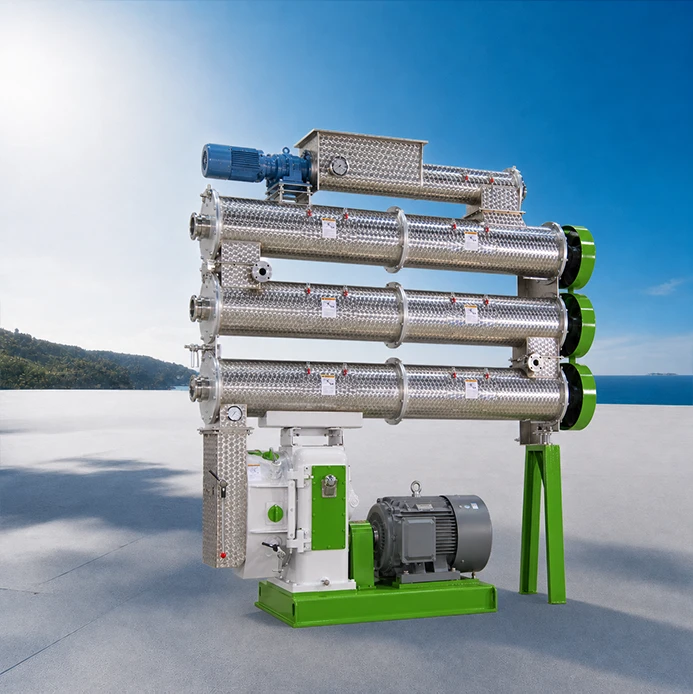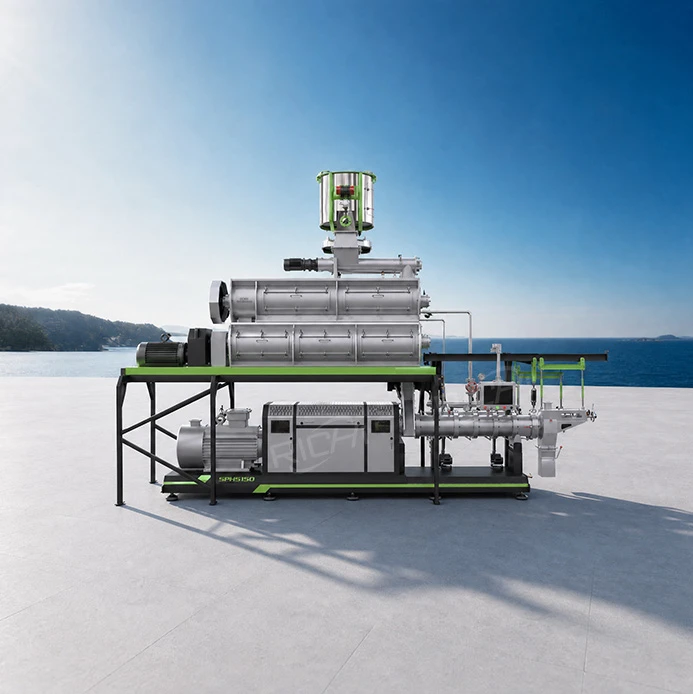
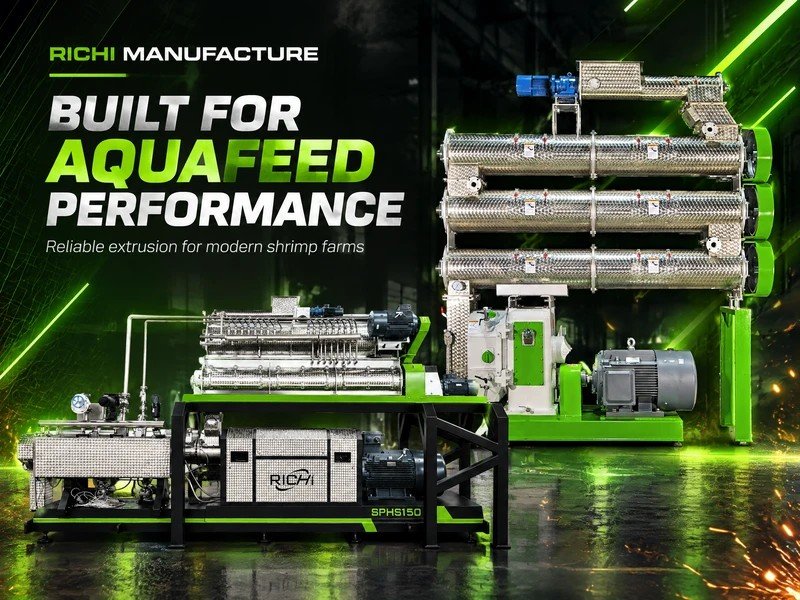
Starting a shrimp feed operation involves more than finding a machine with a suitable motor size. The feed formulation, target pellet size, production capacity, raw materials, factory layout, and expected market all influence the equipment configuration. A carefully selected shrimp feed pellet machine can become the central part of a production system designed around these requirements.
Start With the Product
The first question should be what type of feed the factory intends to produce. A producer serving shrimp farms may need small sinking pellets with strong water stability, while another aquatic feed business may want to manufacture several products for shrimp, fish, and other species.
Product requirements determine the processing conditions. Small pellets generally require appropriately prepared raw materials and accurate forming. The conditioning stage must provide suitable moisture and heat distribution, while the pelleting chamber needs to maintain stable compression.
This is why equipment selection should begin with the finished product rather than starting with a machine model. Once the product specifications are understood, the manufacturer can work backward through the process to determine the necessary grinding, mixing, conditioning, pelleting, cooling, screening, and packaging equipment.
Comparing Equipment Investment Options
A company researching a fish feed mill plant for sale may find many different configurations on the market. Two systems with similar nominal capacity can still differ considerably in automation, material handling, grinding configuration, conditioning design, electrical control, and downstream equipment.
Price should therefore be evaluated together with the production process. A low initial purchase price may not represent the lowest long-term cost if the line lacks suitable equipment for the intended formula or requires extensive modification later.
Think Beyond the Pellet Mill
The pellet mill is important, but it is only one stage in a complete feed production process. If raw materials are not sufficiently ground, the final pellets may have poor surface quality or inconsistent formation. If mixing is inadequate, nutritional components may not be evenly distributed. If cooling and screening are insufficient, finished-product quality can also be affected.
A complete system should therefore be viewed as a chain in which every stage supports the next.
Matching the Line to the Factory
Factory planning is another important consideration. Equipment needs sufficient installation space, maintenance access, electrical connections, material storage, and appropriate routes for conveyors and elevators. Vertical transportation may be useful where several process stages need to be connected efficiently.
A well-planned layout can also reduce unnecessary material movement. This can make the operation easier to supervise and help maintenance personnel access important components.
What the Research Reveals
here are the findings from many feed equipment projects: the most useful machine is not necessarily the largest one. Instead, the appropriate system is one that matches the formulation, capacity, product specifications, and operating conditions of the customer.
For example, a producer beginning with a moderate output may prefer a scalable configuration. Another company with an established customer base may require higher capacity and more automated material handling from the beginning.
The Role of Supporting Equipment
Grinding equipment is particularly important for shrimp feed because fine particle preparation can influence pellet formation. Mixers then create a more uniform feed mixture before conditioning and pelleting. After pelleting, cooling and screening help prepare the product for storage and packaging.
Automation can connect these stages through sensors, variable-speed drives, weighing systems, and centralized controls. The objective is not automation for its own sake, but stable operation and easier management of the production process.
Selecting a Suitable Supplier
A reliable supplier should be able to discuss the complete process rather than only provide a single machine. The feed pellet machine itself needs to work with the upstream and downstream equipment so that the production line functions as a coordinated system.
Technical experience also matters when products have specialized requirements. Shrimp feed can involve small pellet sizes, water stability requirements, and different formulations. A supplier familiar with these characteristics can help translate the product target into an equipment configuration.
For this reason, buyers should evaluate technical communication, engineering support, installation services, training, and spare-parts support alongside equipment specifications. A production line is a long-term investment, and the supplier relationship can remain important long after installation is completed.
View Details: https://www.richimanufacture.com/shrimp-feed-pellet-machine/