A few years ago, I visited a rabbit farm that was struggling with something the owner could not explain. The does were kindling normally. The kits were nursing. The feed was the same formula he had used for years. But the animals were not thriving. The kits were growing slowly. Some were scouring. A few died. He had run tests, changed bedding, adjusted ventilation, and consulted a veterinarian. No one could find the cause.
Then he showed me a handful of his feed. It looked fine at first glance. But when I rolled a pellet between my fingers, it crumbled into dust. I asked him how long the pellets had been sitting in the hopper. He shrugged. A few days, maybe. The dust was the problem. It was getting into the water lines, caking on the feeders, and irritating the kits’ respiratory systems. The pellets were also too soft, which meant the rabbits were eating more fines and less balanced nutrition. The formula was correct. The feed processing was not.
That story is not unusual. Rabbit feed is not like chicken feed or pig feed. Rabbits have specific requirements that go far beyond the ingredient list. The physical form of the pellet—its size, hardness, durability, and dust content—affects how rabbits eat it, how they digest it, and whether they stay healthy. If you are producing feed for rabbits, or if you are buying equipment to produce it, understanding those requirements is not optional. It is the difference between a profitable herd and a struggling one.
Why Rabbit Pellets Are Different
Rabbits are hindgut fermenters. Their digestive system relies on a delicate balance of fiber and microbial activity in the cecum. The fiber in the diet must be of the right length and particle size to keep the gut moving and prevent stasis. If the fiber is too fine, it passes through too quickly. If it is too long, it can cause blockages. The pelleting process affects fiber length. A pellet that is ground too fine will not provide the physical stimulation the gut needs. A pellet that is too coarse may be rejected by the rabbit.
The hardness of the pellet matters too. Rabbits have teeth that grow continuously. They need to chew to wear them down. Pellets that are too hard can cause dental problems. Pellets that are too soft crumble into dust, which is both wasteful and harmful. The ideal pellet is firm enough to hold together during handling but soft enough for a rabbit to chew comfortably. Achieving that balance requires careful control of the pelleting process.
The Role of the Machine
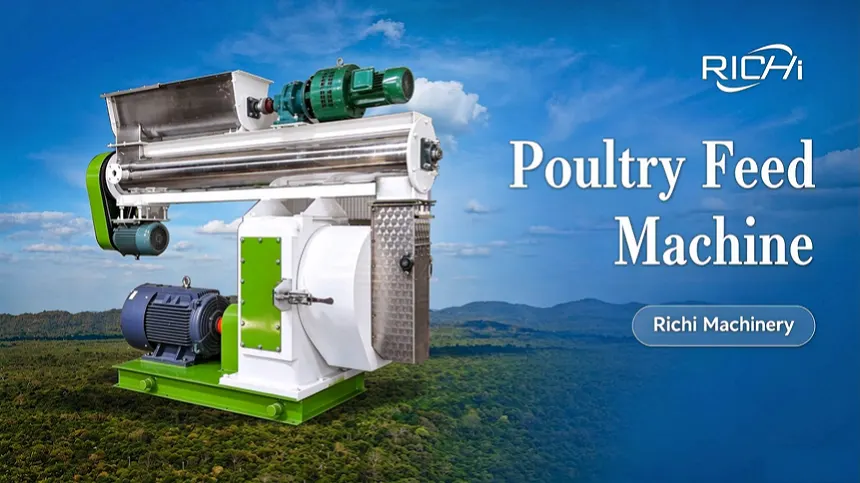
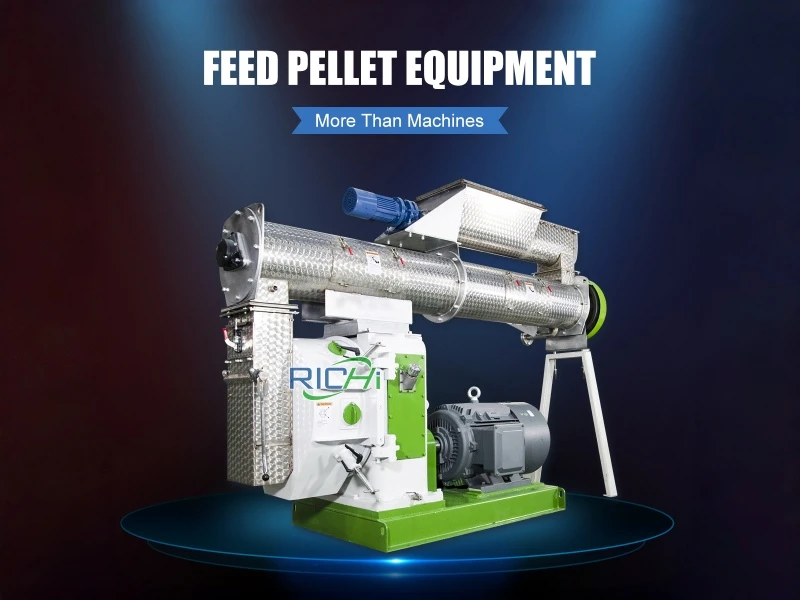
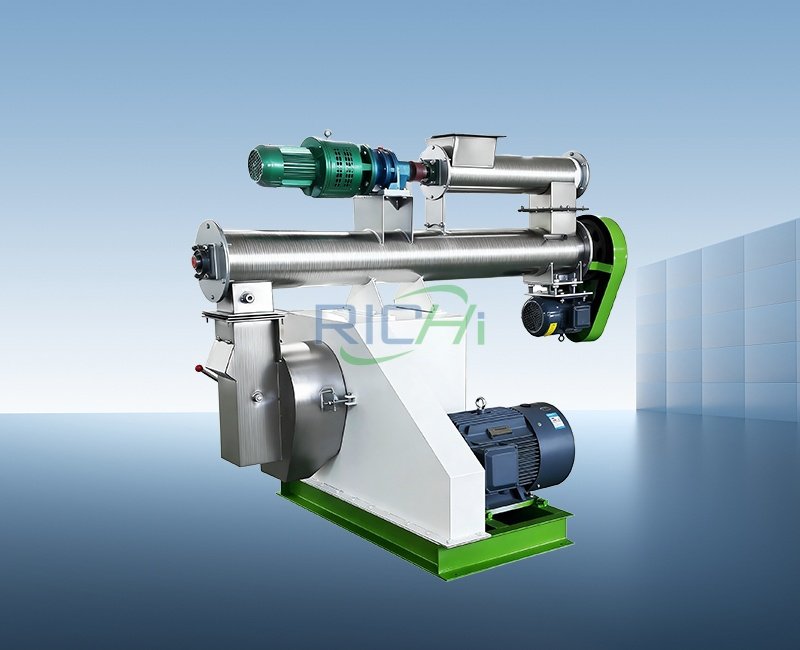
All of this points to the equipment. A rabbit feed pellet making machine is not a generic pellet mill. It is a machine that has been configured for the specific demands of rabbit feed. The die must be designed to produce a pellet of the correct diameter and compression. The conditioner must deliver the right amount of steam to soften the fibers without making the material sticky. The roller clearance must be precise. The drive system must provide consistent power without overheating.
The grinding stage is equally important. Rabbit feed requires a consistent particle size. If the grinder produces a mix of fine powder and coarse chunks, the pellets will be inconsistent. Some will be hard. Some will be soft. Some will crumble. A hammer mill with the correct screen size is essential. The screen must be inspected and replaced regularly to maintain the target particle size.
What to Look For in Equipment
If you are in the market for a pellet machine, you will see a wide range of options. Some are cheap. Some are expensive. Some are built for light use. Some are built for continuous industrial operation. The right choice depends on your production goals and your budget. But there are some things you should not compromise on.
The die is the most important component. It must be made from wear-resistant alloy. Rabbit feed can be abrasive, especially when it contains high levels of minerals or fibrous ingredients. A cheap die will wear out quickly, leading to inconsistent pellet quality and frequent replacements. A hardened die lasts longer and produces more consistent pellets.
The rollers must be precisely machined and properly fitted. The gap between the rollers and the die must be adjustable. The bearings must be sealed against dust and moisture. The drive system must be robust. A machine that uses a belt drive may slip under heavy loads. A machine with a direct drive or a heavy-duty gearbox will maintain consistent speed and torque.
When you are searching for a durable feed pellet machine for sale, look beyond the price tag. Look at the build quality. Look at the components. Look at the manufacturer’s reputation. A machine that costs more upfront but runs reliably for years is a better investment than a cheap machine that breaks down every few months. The downtime alone can cost more than the price difference.
The Manufacturer Matters
The equipment is only part of the equation. The manufacturer behind it matters just as much. A company that understands rabbit feed production can help you choose the right machine, configure it correctly, and support you after the sale. They can advise you on die selection, conditioning parameters, and maintenance schedules. They can provide spare parts and technical assistance when you need it.
RICHI machinery has been building feed processing equipment for decades. They have worked with rabbit farmers and feed producers in many countries. They understand that rabbit feed is not the same as poultry feed or cattle feed. They know the importance of pellet hardness, durability, and dust control. Their equipment is designed to meet those requirements. Their pellet mills are built with wear-resistant dies, precision rollers, and robust drive systems. Their conditioners are engineered for consistent steam delivery. Their cooling systems are sized for the throughput.
Just as importantly, they provide support. They help with installation and commissioning. They train operators. They offer technical assistance and spare parts. They stand behind their equipment with a warranty and a commitment to customer service. That support can be the difference between a line that runs smoothly and one that sits idle waiting for a part or an answer.
The Economics of Doing It Right
Producing your own rabbit feed is not a get-rich-quick scheme. It requires an investment in equipment, time, and learning. But for many rabbit operations, it is a practical way to reduce feed costs, control quality, and improve herd performance.
The savings come from several sources. First, you eliminate the markup that commercial feed mills charge. You buy ingredients at wholesale prices and process them yourself. Second, you reduce waste. A good pellet machine produces durable pellets that do not crumble into dust. The rabbits eat what you give them, and you do not throw away money in the form of fines. Third, you improve feed conversion. A consistent, well-made pellet is easier for rabbits to digest. They grow faster, produce more milk, and stay healthier. That translates into lower costs per pound of meat or per litter of kits.
The payback period depends on the scale of your operation. A small rabbitry might see payback in two to three years. A larger operation might see it sooner. The key is to match the equipment to your volume. Do not buy a machine that is too small and run it constantly. Do not buy a machine that is too large and leave it idle. Find the capacity that fits your needs and allows for some growth.
Getting Started
If you are considering a rabbit feed pellet machine, the first step is to understand your raw material. What ingredients will you use? What is their moisture content? What is their fiber content? These answers will determine the equipment you need. The second step is to talk to suppliers. Ask about capacity, die configuration, conditioning, and support. Ask for references from other rabbit farmers. Visit an installation if you can. See the machine in operation. Talk to the operator. Watch how the pellets come out. Ask about maintenance and downtime.
The third step is to run the numbers. Calculate the cost of ingredients, the cost of electricity, the cost of labor, and the cost of maintenance. Compare that to the cost of commercial feed. Include the value of reduced waste and improved feed conversion. If the numbers work, move forward. If they do not, do not force it. The right equipment at the right scale will pay for itself. The wrong equipment will be a burden.
To explore the full range of options and see how we can help you build a rabbit feed line that fits your operation, click now to get started. The technology is proven. The benefits are real. The only thing standing between you and better feed is the decision to act.