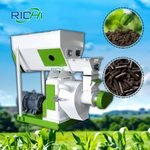
The global pet food industry continues to develop as more pet owners pay close attention to the nutritional quality, safety, appearance, and digestibility of the food they provide for their dogs. Among the many technologies used in modern pet food manufacturing, extrusion has become one of the most important production methods for making dry dog food. A reliable Dog Food Extruder Machine can help manufacturers produce uniform, nutritious, and highly digestible dog food while maintaining stable production efficiency.
For pet food manufacturers, selecting suitable extrusion equipment is an important investment. The right machine can influence product shape, density, moisture content, texture, digestibility, and overall production cost. At the same time, the extruder needs to work smoothly with grinding, mixing, drying, cooling, coating, conveying, and packaging equipment to create a complete dog food production line.
This article introduces the working principle, production process, advantages, applications, and selection considerations of a Dog Food Extruder Machine. It also discusses the 3-4 T/H Dog Food Extruder Machine for Sale, providing useful information for businesses planning to establish or expand a commercial dog food production facility.
What Is a Dog Food Extruder Machine?
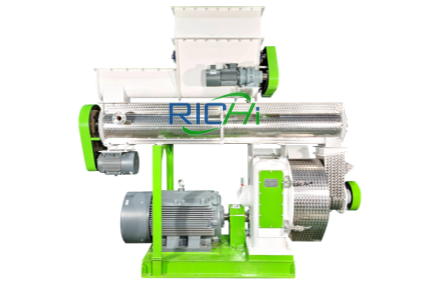
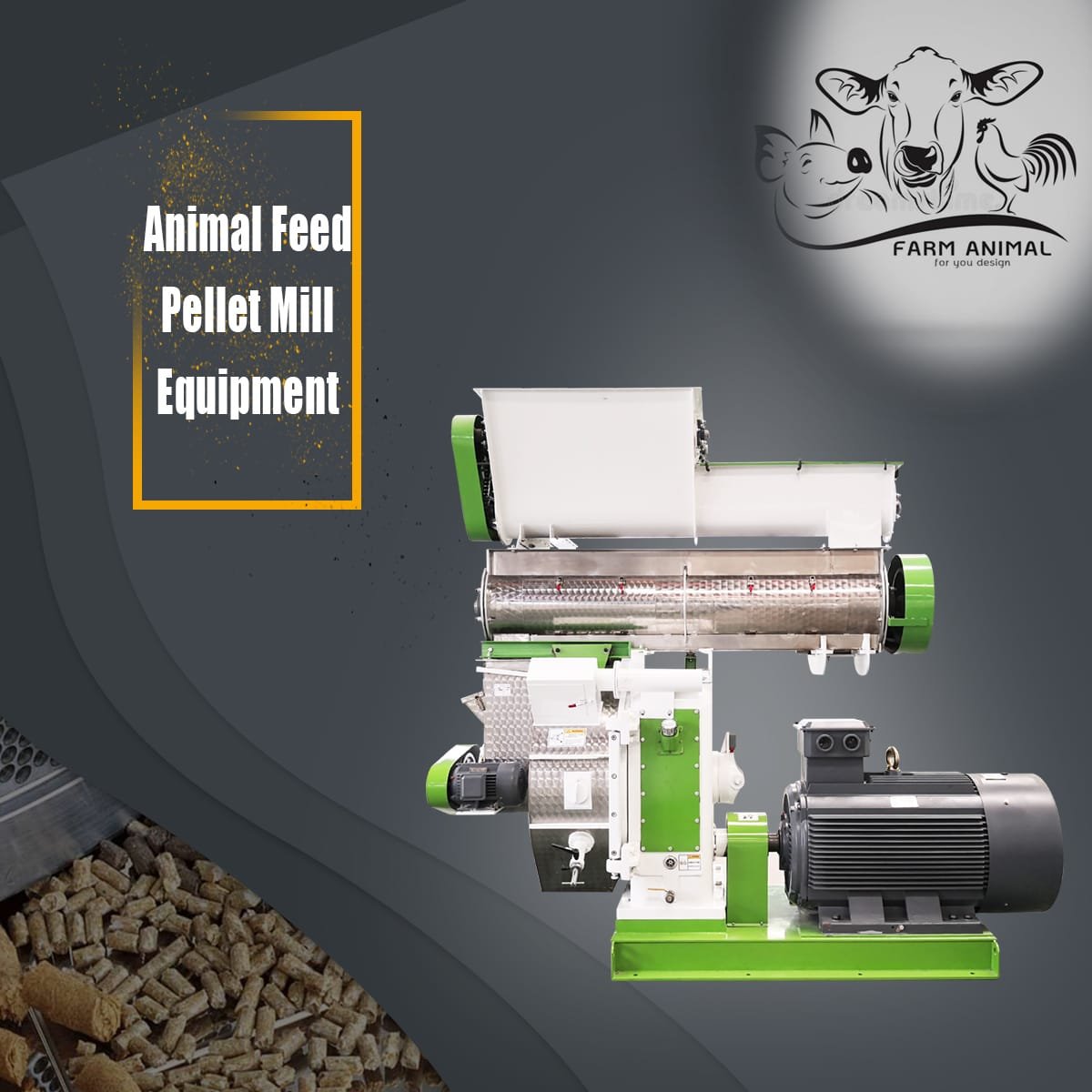
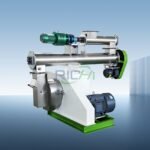
A Dog Food Extruder Machine is specialized equipment used to produce extruded pet food products, particularly dry dog food. It combines mechanical pressure, heat, moisture, and controlled processing conditions to transform a prepared mixture of ingredients into shaped food products.
Common ingredients used in dog food formulations include meat meal, poultry meal, fish meal, soybean meal, corn, wheat, rice, peas, potatoes, vitamins, minerals, oils, and other nutritional additives. The exact formulation depends on the nutritional requirements of the target product.
During extrusion, the prepared feed mixture enters the extruder through a feeding system. Inside the extrusion chamber, rotating screws transport and compress the material. Heat and pressure are generated as the ingredients move through the machine.
At the outlet, the processed material passes through a die. A cutting system then cuts the extruded material into individual pieces with the desired shape and length.
This process allows manufacturers to produce dog food in a wide range of shapes and sizes. By changing the die and adjusting operating parameters, manufacturers can produce products suitable for puppies, adult dogs, large breeds, small breeds, and specialty pet food markets.
Why Is Extrusion Important for Dog Food Production?
Extrusion offers several advantages for modern dry pet food manufacturing. One of the most important is its ability to process complex mixtures of ingredients into stable and convenient finished products.
The extrusion process can improve the physical characteristics of dog food while also helping manufacturers achieve consistent product quality.
One major advantage is ingredient processing. During extrusion, the feed mixture is exposed to controlled heat, moisture, and mechanical energy. This can improve starch gelatinization and contribute to the digestibility and texture of the finished product.
Extrusion also allows manufacturers to control product density and shape. These characteristics are important for both product appearance and feeding performance.
In addition, extrusion makes it possible to manufacture floating or sinking aquatic feed, but for dog food applications, the process is primarily used to create dry, shelf-stable products with controlled moisture content.
Main Components of a Dog Food Extruder Machine
A modern extruder generally consists of several major components that work together to provide stable processing.
Feeding System
The feeding system transfers the prepared material into the extrusion chamber at a controlled rate. Stable feeding is important because fluctuations in material supply can affect extrusion pressure, product density, and pellet shape.
Extrusion Chamber
The extrusion chamber is the central processing area. Inside the chamber, the material is transported, compressed, mixed, heated, and processed before reaching the die.
Screw System
The screw system plays an important role in conveying and compressing the feed mixture. Screw configuration can influence pressure, residence time, and processing intensity.
Different formulations may require different screw configurations and operating conditions.
Die and Cutting System
The die determines the basic shape and cross-sectional dimensions of the dog food. The cutter controls the length of the finished pieces.
Manufacturers can use different dies to create round, star-shaped, bone-shaped, ring-shaped, or other customized products.
Drive System
The drive system provides the mechanical power required for screw rotation. Stable transmission and appropriate motor sizing are important for reliable long-term operation.
Heating and Cooling System
Depending on the extrusion system, heating may be provided through steam, electrical heating, or a combination of methods. Cooling or temperature-control systems may also be used to maintain stable processing conditions.
How Does a Dog Food Extruder Machine Work?
The production process starts with the preparation of the raw materials.
Step 1: Raw Material Preparation
Ingredients are received, cleaned, stored, and prepared according to the dog food formula. Raw materials need to meet appropriate quality and safety requirements.
Protein ingredients, cereal ingredients, fiber sources, vitamins, minerals, and other additives are selected according to the nutritional specifications of the final product.
Step 2: Crushing
Coarse raw materials are processed through a hammer mill or similar grinding equipment. Grinding reduces particle size and improves the uniformity of the feed mixture.
Consistent particle size can make mixing easier and help achieve more stable extrusion results.
Step 3: Batching and Mixing
The ingredients are accurately weighed and mixed according to the formula.
Uniform mixing is critical because dog food should provide consistent nutritional content throughout the production batch. Poor mixing can result in uneven distribution of protein, vitamins, minerals, and other ingredients.
Step 4: Conditioning
Before entering the main extrusion chamber, the mixture may be conditioned by adding moisture and heat.
Conditioning can soften the material and prepare it for extrusion. It can also help improve processing efficiency and product consistency.
Step 5: Extrusion
The conditioned material enters the Dog Food Extruder Machine.
The screw system transports the material forward while applying mechanical shear and compression. Heat and moisture are controlled during this stage.
As the material approaches the die, pressure increases. The processed material is then forced through the die openings.
Step 6: Cutting
The extruded strands are cut into individual pieces by rotating knives. Cutter speed and die design determine the size and shape of the final product.
Different product specifications can be manufactured by changing dies and adjusting the cutter.
Step 7: Drying
Freshly extruded dog food normally contains more moisture than the desired final product. A continuous pet food dryer is therefore used to reduce moisture to an appropriate level.
Controlled drying is essential because excessive moisture can reduce shelf life, while over-drying may affect product texture and increase energy consumption.
Step 8: Cooling
After drying, the dog food needs to be cooled before further processing.
A cooling system reduces product temperature and helps stabilize the finished pieces.
Step 9: Oil and Flavor Coating
Many commercial dog food products are coated with oils, fats, flavors, or other functional ingredients after drying and cooling.
A coating machine can distribute these materials over the surface of the finished dog food.
This stage can improve palatability and allow manufacturers to add specific ingredients after extrusion.
Step 10: Packaging
The final product is weighed and packaged in bags, boxes, or other suitable packaging.
Automated packaging equipment can improve production efficiency and help maintain consistent package weights.
Advantages of a Dog Food Extruder Machine
A professional extrusion system provides several important advantages for commercial pet food manufacturers.
Consistent Product Shape
Extrusion allows manufacturers to produce dog food with consistent dimensions. This creates a uniform appearance and makes the product easier to handle, transport, and package.
Flexible Product Design
One of the biggest advantages of extrusion technology is flexibility.
By changing the die, cutter settings, moisture level, and processing conditions, manufacturers can produce different product shapes, sizes, densities, and textures.
This flexibility is particularly useful for companies selling multiple dog food product lines.
Improved Digestibility
Proper extrusion can gelatinize starch and modify certain components of the raw material, potentially improving the digestibility and utilization of the finished product.
The exact nutritional effect depends on the formulation and processing conditions, so manufacturers should optimize the process according to their specific recipe.
Stable Production
Commercial extruders are designed for continuous production. When integrated with automatic feeding and conveying systems, they can support efficient large-scale manufacturing.
Stable production helps manufacturers maintain consistent product quality and reduce unnecessary downtime.
Multiple Formulations
A suitable extrusion system can process different formulations, allowing manufacturers to produce dog food with different protein levels, ingredient combinations, shapes, and target markets.
This makes extrusion technology suitable for both standard and premium pet food products.
3-4 T/H Dog Food Extruder Machine for Sale
For businesses entering commercial dog food manufacturing, production capacity is one of the most important considerations.
A 3-4 T/H Dog Food Extruder Machine for Sale can be an attractive option for medium-scale and larger pet food production operations that require a relatively high and stable production rate.
A nominal capacity of 3 to 4 tons per hour can provide substantial production potential when the machine is properly integrated into a complete processing line.
However, actual production capacity depends on multiple factors. These include raw material formulation, moisture content, product size, die specifications, operating conditions, screw configuration, and the experience of the operators.
For this reason, buyers should not evaluate an extruder only by its maximum theoretical output.
It is more useful to consider the expected daily production, number of working hours, desired product specifications, and future production expansion.
For example, a factory operating an extruder at approximately 3 tons per hour for eight production hours could theoretically process around 24 tons of product per day. Actual daily output will be lower or higher depending on production efficiency, product changes, cleaning, maintenance, and other operating factors.
Factors to Consider Before Buying
Choosing the correct Dog Food Extruder Machine requires a detailed evaluation of both technical and commercial factors.
1. Production Capacity
First, determine the required hourly and daily output.
A machine that is too small may become a production bottleneck, while an excessively large machine may result in unnecessary investment and underutilized capacity.
The 3-4 T/H range can be suitable for businesses with established production demand and plans for commercial-scale dog food manufacturing.
2. Product Specifications
Consider the required diameter, length, shape, density, and texture of the final dog food.
If the factory plans to produce multiple product sizes, it is important to confirm that the extruder can support the necessary die configurations and cutter adjustments.
3. Raw Material Formula
Different formulations have different extrusion characteristics.
High-protein formulas, grain-free formulas, formulas with higher fiber content, and formulas with different moisture levels may require different processing conditions.
Therefore, manufacturers should provide the equipment supplier with detailed formulation information when requesting an extrusion solution.
4. Motor and Energy Consumption
Energy consumption has a significant impact on long-term operating costs.
The motor should provide sufficient power for the intended production rate without creating unnecessary energy consumption.
Manufacturers should evaluate the complete energy requirements of the production line rather than focusing only on the main extruder motor.
5. Equipment Durability
Extrusion equipment operates under pressure and mechanical stress. Key components therefore need to be manufactured from suitable materials and designed for long-term operation.
Wear components such as dies, screws, cutting knives, and other parts should also be easy to inspect and replace.
6. Ease of Maintenance
Regular maintenance helps extend equipment service life and reduce unexpected downtime.
A practical machine design should provide convenient access to important components. Lubrication, cleaning, inspection, and replacement of wear parts should be straightforward for trained operators.
7. Complete Production Line Compatibility
The extruder is only one part of a dog food manufacturing line.
Its capacity should match the grinder, mixer, conditioner, dryer, cooler, coating machine, conveyor, and packaging system.
A balanced production line is generally more efficient than selecting each machine independently.
Dog Food Extruder Machine in a Complete Production Line
A commercial dog food factory normally requires a series of processing machines.
A typical production line may include:
- Raw material receiving system
- Cleaning equipment
- Feed hammer mill
- Batching system
- Feed mixer
- Conditioner
- Dog food extruder
- Cutting system
- Multi-layer dryer
- Cooling system
- Coating machine
- Screening equipment
- Conveying system
- Automatic packaging machine
The exact configuration depends on production capacity, formulation, factory layout, automation requirements, and product specifications.
For a new factory, it is important to design the production line as an integrated system from the beginning.
For an existing factory, the new extruder should be compatible with the current upstream and downstream equipment.
The Role of Drying and Cooling
Drying and cooling are particularly important after extrusion.
Freshly extruded dog food contains moisture and heat. If it is packaged immediately without adequate drying and cooling, product quality and storage stability may be affected.
A continuous dryer can gradually reduce moisture under controlled temperature and airflow conditions.
After drying, the product enters the cooling stage. Cooling helps bring the dog food closer to ambient temperature before coating and packaging.
Proper drying and cooling can contribute to improved storage stability and consistent product texture.
Why Surface Coating Is Important
Many modern dog food products are coated after extrusion.
The coating system may apply oils, fats, flavors, vitamins, or other ingredients to the surface of the dried product.
This provides manufacturers with additional flexibility. Certain ingredients that are sensitive to heat may be added after the main extrusion process.
Surface coating can also influence the aroma and palatability of dog food.
The coating process should be carefully controlled so that ingredients are distributed evenly and excessive oil does not cause handling or packaging problems.
Applications of Dog Food Extrusion Technology
Dog food extrusion technology is widely used for dry pet food manufacturing.
It can be used to produce food for:
- Puppies
- Adult dogs
- Senior dogs
- Small breeds
- Medium breeds
- Large breeds
- Different nutritional and functional product categories
Manufacturers can adjust recipes and processing conditions according to the target market.
The same basic extrusion technology can also be adapted for other pet food products, depending on equipment configuration and formulation requirements.
How to Improve Dog Food Production Efficiency
Improving production efficiency involves more than increasing the extruder speed.
First, raw materials should be ground consistently. Uniform particle size improves mixing and can make extrusion more stable.
Second, batching accuracy should be maintained. Automated batching systems can help reduce formulation errors.
Third, the mixer should provide sufficient mixing uniformity before the material reaches the extruder.
Fourth, conditioning should be carefully controlled. Stable moisture and temperature conditions can improve extrusion consistency.
Fifth, operators should regularly inspect the die, screws, cutter, bearings, and other important components.
Finally, the entire production line should be coordinated. If the dryer has insufficient capacity, for example, increasing extruder output will not necessarily increase final production.
Maintenance of Dog Food Extrusion Equipment
Regular maintenance is essential for reliable operation.
Operators should inspect the extrusion chamber and screw system regularly. Wear parts should be replaced according to their actual condition and manufacturer recommendations.
The die should be cleaned after production to prevent material accumulation.
Cutting knives should also be checked regularly because worn or improperly adjusted knives can cause inconsistent product length.
Lubrication systems should be maintained according to the equipment manufacturer’s specifications.
Electrical systems, motors, transmission components, temperature controls, and safety devices should also be inspected periodically.
A preventive maintenance schedule can help reduce unexpected downtime and improve equipment service life.
Working With an Experienced Manufacturer
Purchasing a Dog Food Extruder Machine is a major decision for a pet food business. The machine itself is important, but the technical support provided by the manufacturer can be equally valuable.
An experienced equipment manufacturer can help customers determine suitable machine capacity, die specifications, auxiliary equipment, factory layout, and production line configuration.
Before purchasing, buyers should provide detailed information about the intended products, including raw materials, formula characteristics, target production capacity, pellet dimensions, working hours, and automation requirements.
This allows the manufacturer to provide a more accurate technical proposal.
Conclusion
A modern Dog Food Extruder Machine is an essential piece of equipment for commercial dry dog food production. Through controlled mechanical pressure, heat, moisture, and shaping, extrusion technology allows manufacturers to produce consistent and flexible dog food products for different markets.
For businesses requiring commercial-scale production, the 3-4 T/H Dog Food Extruder Machine for Sale can provide a practical solution when its capacity and configuration match the requirements of the complete production line.
However, selecting an extruder should never be based solely on machine capacity or purchase price. Buyers should consider product specifications, raw material formulations, energy consumption, durability, maintenance, drying and cooling requirements, coating systems, packaging capacity, and after-sales technical support.
A well-designed dog food production line can improve manufacturing efficiency, maintain stable product quality, reduce unnecessary waste, and provide greater flexibility for future product development.
For manufacturers planning a new pet food factory or upgrading an existing facility, choosing the right extrusion technology is an important step toward building a reliable and efficient production system.
If you are looking for a suitable extrusion solution, provide your required capacity, dog food formula, pellet size, and production goals to a professional equipment manufacturer for a customized recommendation. Click for more information about dog food extrusion equipment, complete pet food production lines, and customized manufacturing solutions.