Cow Dung Pellet Production for Small Farms
Small cattle farms often have a different challenge from large commercial livestock operations: they have enough manure to create a disposal problem, but not always enough material to justify a large fertilizer plant.
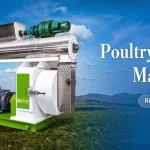
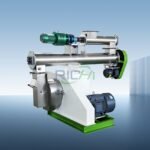
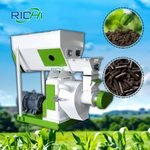
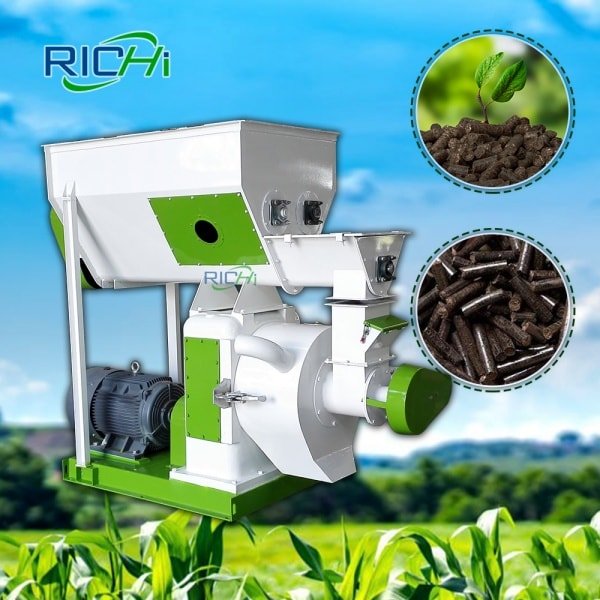
A cow dung pellet machine for small farms provides one option for converting manure into a more manageable organic fertilizer product. With the right preparation and equipment configuration, a small farm can process its own manure without building an unnecessarily complicated production system.
Start with the Daily Manure Supply
The first step is to calculate how much cow dung the farm actually produces.
Do not select equipment based only on the number of cattle. The available manure can change because of feeding practices, housing systems, moisture content, cleaning methods, and seasonal conditions.
Once the daily quantity is known, the farm can estimate the required hourly production capacity.
For example, a farm that only processes manure for its own fields may prefer a smaller machine that operates for several hours each day. A farm that plans to sell fertilizer may need longer operating hours and additional drying, screening, and packing equipment.
Keep the Production Layout Simple
A small farm does not necessarily need the same configuration as a commercial fertilizer factory.
A basic process can include:
Manure collection → fermentation → crushing → mixing → pelletizing → drying → cooling → screening → packing
However, individual projects can remove or add equipment according to the raw material.
If the manure has already been properly composted and prepared, the pretreatment section can be relatively simple. If it contains large pieces or excessive moisture, additional crushing and drying capacity may be required.
The goal is to avoid both extremes: a system that cannot handle the material and a system filled with equipment that the farm rarely needs.
Moisture Is a Major Consideration
Fresh cow dung generally contains substantial moisture, which makes direct pelletizing difficult.
Fermentation or composting can help stabilize the manure, but the material may still require moisture adjustment before pelletizing.
If the material remains too wet, a dryer can be added. If the material is already within a suitable moisture range, the farm may be able to reduce or eliminate drying requirements depending on the final product specification.
This is one reason raw material testing should come before the final equipment selection.
Can Other Materials Be Mixed with Cow Dung?
Yes. Small farms can combine cow dung with other available organic materials when the fertilizer formula requires it.
Crop residues, compost, poultry manure, and other organic ingredients may be used depending on local resources and the desired fertilizer characteristics.
A mixer helps distribute these materials more evenly before pelletizing.
The formulation should be determined first, followed by the equipment configuration. Trying to adjust the formula after purchasing the machinery can create unnecessary operating problems.
How Much Automation Does a Small Farm Need?
Automation should match the farm’s actual production volume.
For a small operation, manual feeding and bagging may be practical when labor is readily available. A simple control system can also reduce the complexity of daily operation.
As production increases, automatic conveyors, weighing, packing, and centralized control become more attractive.
The same principle applies when comparing different manure processing projects. A chicken manure pellet making machine for small farms may be configured for a similar production scale, but the equipment still needs to account for the specific moisture and physical properties of chicken manure.
What Equipment Should Be Prioritized?
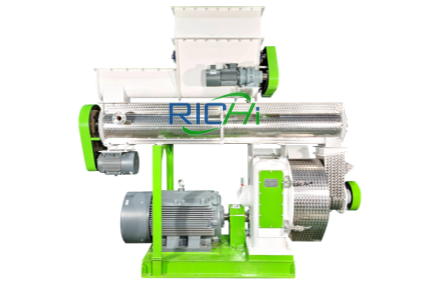
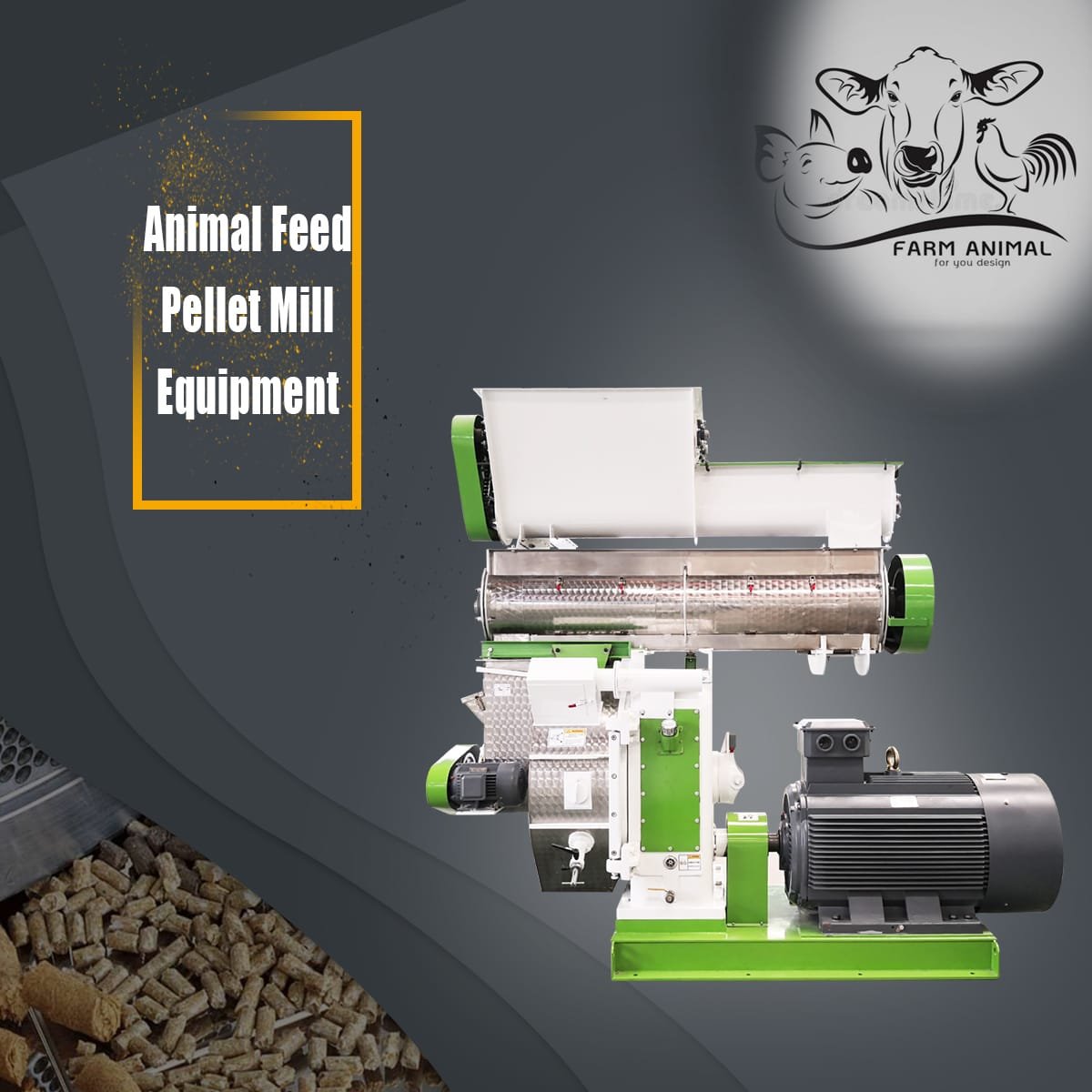
For a small farm, the core equipment normally includes a crusher or preparation unit, mixer when multiple ingredients are used, pelletizer, and necessary post-processing equipment.
Drying and cooling deserve particular attention if the finished fertilizer must meet a specific moisture and storage requirement.
Screening is also useful because it separates fines and oversized pellets from qualified product. Fines can often be returned to the process rather than discarded.
Packing can remain manual for very small operations, while automatic packing becomes more useful when fertilizer is sold regularly.
When Does a Small Farm Project Make Sense?
A small fertilizer pellet project is most attractive when the farm has three advantages:
- A stable supply of cow dung
- A practical use or market for organic fertilizer
- Enough space and labor to operate the equipment
The farm should also compare the equipment investment with the value of fertilizer that can be produced or the savings from reducing manure disposal costs.
RICHI can design a compact organic fertilizer production solution based on the actual manure quantity, moisture, formulation, and required output.
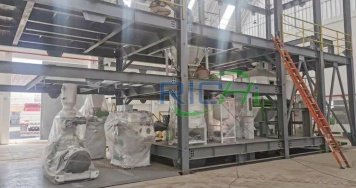
The main pelletizer can be combined with preparation and post-processing equipment to create a system that fits the available workshop instead of forcing a small farm to install a full industrial-scale plant.
For farms that want to make better use of livestock manure, a properly sized pelletizing system can provide a practical balance between investment, operation, and fertilizer output. Click here to explore more organic fertilizer pellet production options.
Related Post: https://pelletizerequipment.com/organic-fertilizer-production-line/