

The global pellet industry has undergone significant changes over the past decade. As governments encourage renewable energy development and manufacturers seek more sustainable production methods, pellet processing equipment has become an essential investment across multiple industries. From biomass fuel and agricultural waste recycling to animal feed production and organic fertilizer manufacturing, pellet technology offers an efficient way to convert loose raw materials into valuable, easy-to-handle products.
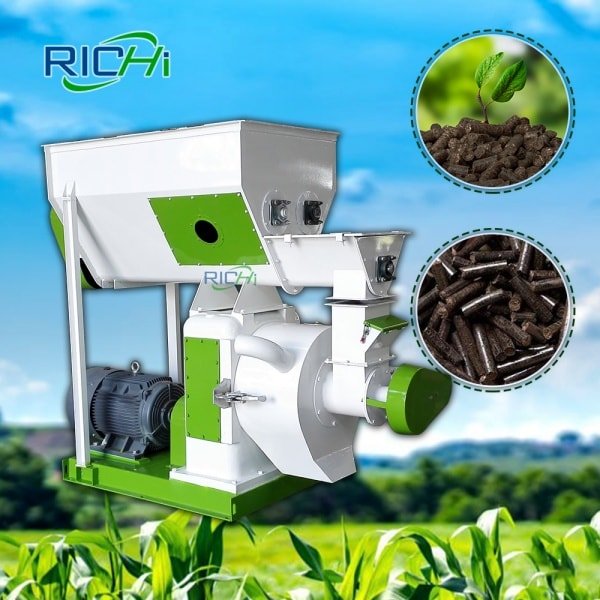
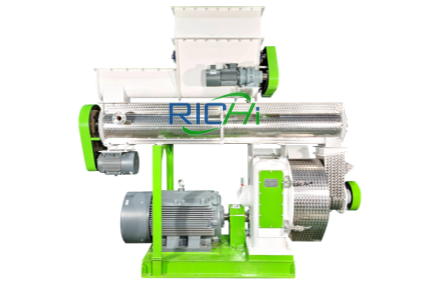
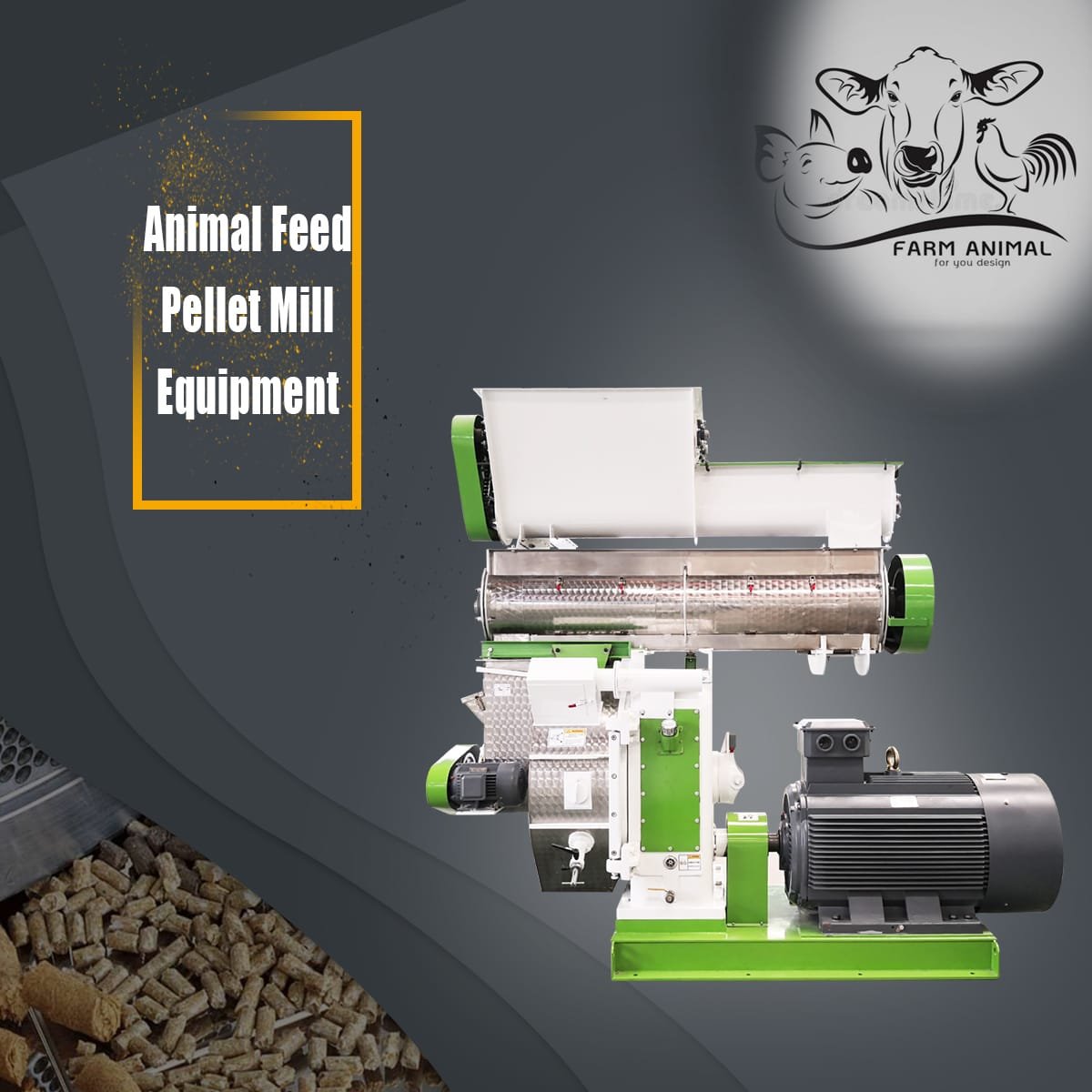
Among various equipment options available on the international market, the Italian pellet machine has earned a strong reputation for its precision engineering, stable operation, and long service life. Designed with advanced manufacturing standards, these machines are widely recognized for their ability to produce high-quality pellets while maintaining low energy consumption and consistent performance.
Rather than viewing pellet production as a simple compression process, modern manufacturers treat it as a complete production system. Every stage—from raw material preparation to final packaging—must work together efficiently to maximize productivity and ensure pellet quality.
Why Pellet Production Continues to Expand
One of the primary reasons for the rapid growth of pellet production is the increasing global demand for renewable energy. Biomass pellets provide an environmentally friendly alternative to traditional fossil fuels because they are produced from renewable resources such as wood waste, crop residues, and agricultural by-products.
At the same time, agricultural producers are discovering new ways to increase the value of materials that were previously discarded. Corn stalks, wheat straw, rice husks, sunflower shells, sawdust, and many other residues can now become profitable products after pelletizing.
Another important advantage is logistics. Loose biomass occupies large storage areas and is expensive to transport. Pelletizing increases material density several times, reducing transportation costs while improving storage efficiency.
Modern pellet plants also contribute to environmental protection by reducing waste burning, minimizing landfill disposal, and promoting resource recycling. These benefits have encouraged more companies to invest in advanced pellet manufacturing technologies.
Characteristics of High-Quality Pellet Equipment
Choosing the right pellet machine requires more than comparing prices. Reliable equipment should provide stable performance over many years while minimizing maintenance costs.
A quality pellet machine generally offers several important advantages:
- Stable feeding system
- High-strength ring die and rollers
- Efficient transmission system
- Intelligent electrical control
- Low operating noise
- High pellet density
- Easy maintenance
- Excellent production consistency
These features help manufacturers achieve higher production efficiency while lowering long-term operating expenses.
The Importance of Raw Material Preparation
Excellent pellets begin with properly prepared raw materials. Before entering the pellet mill, materials should be cleaned, crushed, and adjusted to the appropriate moisture level.
Particle size has a direct influence on pellet quality. Oversized particles reduce compression efficiency and increase wear on mechanical components. Excessively fine particles may increase energy consumption without improving pellet strength.
Moisture is equally important. Most biomass materials require controlled moisture before pelletizing. If the material is too dry, pellets may crack after cooling. If moisture is too high, pellets may become soft and difficult to store.
Modern production lines often include automatic moisture control systems that continuously monitor material conditions before compression begins.
Advanced Compression Technology
The pelletizing stage is the core of the entire production process.
Inside the pellet mill, conditioned material is evenly distributed onto the rotating ring die. Compression rollers force the material through precisely machined die holes under extremely high pressure. During this process, natural binders such as lignin are activated by pressure and moderate heat, allowing pellets to maintain excellent strength without additional chemical adhesives.
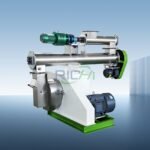
For medium and large industrial facilities, many investors choose a 0.5-40T/H hay pellet machine for sale because it offers flexible production capacity suitable for different raw materials and production requirements. High-capacity equipment also reduces labor costs by allowing continuous operation over long production periods.
Automation Improves Productivity
Today’s pellet factories rely heavily on automation. Intelligent control systems monitor every important operating parameter, including motor load, feeding speed, die temperature, bearing condition, and production output.
Automatic control provides several benefits.
First, it reduces operator workload.
Second, it minimizes human error.
Third, it protects equipment from overload by adjusting feeding speed whenever operating conditions change.
Production managers can also monitor real-time operating data through centralized control panels, allowing them to identify potential problems before they affect production efficiency.
Automation not only improves productivity but also helps maintain consistent pellet quality throughout long production cycles.
A Typical Biomass Pellet Plant
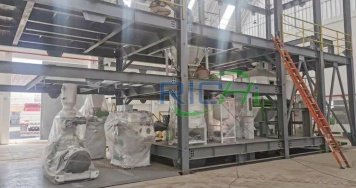
Although equipment configurations vary according to customer requirements, most industrial pellet plants include the following sections:
- Raw material receiving
- Crushing
- Drying
- Storage
- Conditioning
- Pelletizing
- Cooling
- Screening
- Packaging
- Dust collection
Each stage contributes to overall production efficiency. If one section performs poorly, the quality of the final pellets may be affected.
Therefore, many companies prefer purchasing complete engineering solutions rather than individual machines.
A professionally designed pellet plant allows every piece of equipment to operate as an integrated system, improving material flow, reducing energy consumption, and simplifying future maintenance.
Real Project Example in Italy
A biomass company in central Italy specialized in collecting agricultural residues from nearby wheat farms, vineyards, and olive plantations. Although large quantities of biomass were available every year, much of it had limited commercial value because transportation costs exceeded the selling price.
To solve this problem, the company invested in a modern pellet production line capable of processing mixed agricultural residues.
The project used wheat straw, vineyard branches, olive pruning waste, and a small percentage of sawdust to produce commercial biomass fuel pellets.
After installation, the plant achieved stable production with excellent pellet density and low dust content. Local heating companies became regular customers because the pellets provided consistent combustion performance while meeting regional environmental standards.
More importantly, farmers gained an additional source of income by selling agricultural residues that had previously been burned or discarded.
Maintenance Determines Long-Term Success
Even the most advanced equipment requires regular maintenance.
Operators should inspect roller wear, lubrication systems, bearings, electrical connections, and die conditions every day.
Scheduled maintenance reduces unexpected downtime and extends equipment service life.
Replacing worn components before failure also protects other mechanical parts from unnecessary damage.
Manufacturers that establish preventive maintenance programs often experience lower operating costs and more stable production over the lifetime of the equipment.
Future Industry Trends
The pellet industry continues evolving rapidly. Future production lines are expected to become even more intelligent through artificial intelligence, remote monitoring, and predictive maintenance technologies.
Energy efficiency will remain a major development direction as manufacturers seek to reduce production costs while meeting stricter environmental regulations.
At the same time, more agricultural residues and industrial by-products will enter pellet production, creating additional business opportunities for companies willing to invest in modern equipment.
Professional suppliers such as Richi Pellet Mill continue improving equipment design to help customers achieve higher productivity, better pellet quality, and lower operating costs through complete engineering solutions.
For investors who wish to learn more about production technologies, equipment selection, or successful international pellet projects, additional technical resources are available through explanation, where engineering concepts and practical applications are discussed in greater detail.
As demand for renewable energy and sustainable manufacturing continues to increase, pellet technology will remain one of the most valuable processing solutions for industries around the world. Businesses that invest in efficient, reliable, and well-designed production systems today will be better positioned to meet tomorrow’s market opportunities while achieving long-term profitability and environmental sustainability.
Related Post:https://pelletizerequipment.com/cassava-pellet-machine/