
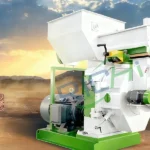
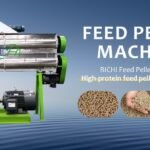
As industries and households worldwide seek eco-friendly alternatives to fossil fuels, sawdust pellet machines have emerged as a transformative solution for converting wood waste into clean, efficient biomass energy. These machines compress sawdust, wood shavings, and other forestry residues into compact pellets, offering a renewable energy source for heating, power generation, and industrial applications. This guide explores the benefits, working principles, and key considerations for selecting the right sawdust pellet machine, helping you embrace sustainability while reducing costs.
Why Choose a Sawdust Pellet Machine?
- Waste-to-Energy Conversion
Sawdust pellet machines transform low-value wood waste—such as sawmill residues, furniture scraps, or agricultural byproducts—into high-energy pellets. This reduces landfill use and promotes circular economies by repurposing materials that would otherwise be discarded. - Cost-Effective Fuel Production
Biomass pellets are cheaper than fossil fuels like coal or oil, especially for large-scale users. A small sawdust pellet machine is ideal for local producers, while industrial-grade models cater to commercial biomass plants, lowering energy expenses significantly. - Eco-Friendly Heating Solution
Sawdust pellets burn cleaner than raw wood, emitting fewer pollutants like sulfur dioxide (SO₂) or particulate matter. They are carbon-neutral, as the CO₂ released during combustion is offset by the carbon absorbed during tree growth. - High Energy Density & Storage Efficiency
Pellets are denser than raw sawdust, occupying less space and reducing transportation costs. Their uniform shape ensures consistent combustion in pellet stoves, boilers, or power plants.
How Does a Sawdust Pellet Machine Work?
The pelletization process involves four key steps:
- Crushing & Grinding: Raw sawdust is passed through a hammer mill or chipper to achieve a fine, uniform texture.
- Drying: Excess moisture is removed using a rotary dryer to ensure optimal pellet quality (ideal moisture content: 8–12%).
- Pelletizing: The dried material is fed into a pellet die, where heat and pressure (from rollers) compress it into cylindrical pellets.
- Cooling & Screening: Freshly made pellets are cooled to harden and then screened to remove dust or broken pieces before packaging.
(Read More: https://pelletisingmachine.com/wood-pellet-production-line/ )
Types of Sawdust Pellet Machines
- Flat Die Pellet Mills
- Best for small-scale operations (e.g., farms, home heating).
- Affordable, easy to operate, and portable.
- Suitable for softwood or mixed sawdust.
- Ring Die Pellet Mills
- Designed for high-volume production (1–20+ tons/hour).
- Energy-efficient and ideal for hardwood residues like oak or maple.
- Common in commercial biomass plants and large sawmills.
- Electric vs. Diesel-Powered Machines
- Electric models are eco-friendly and cost-effective for indoor use.
- Diesel-powered machines offer mobility for remote sites without grid access.
Key Features to Look For
- Adjustable Pellet Size: Machines with interchangeable dies allow flexibility for different applications (e.g., heating vs. animal bedding).
- Durability: Stainless steel components resist corrosion and ensure longevity.
- Low Maintenance: Easy-to-clean designs minimize downtime.
- Safety Mechanisms: Overload protection and automatic shutdown features prevent accidents.
FAQs About Sawdust Pellet Machines
Q: How much does a sawdust pellet machine cost?
Prices range from 1,000forbasicflatdiemodelsto100,000+ for industrial ring die systems. Factors like capacity, power source, and automation level influence costs.
Q: What raw materials can I use?
Suitable materials include sawdust, wood shavings, bark, straw, and even paper waste. Avoid materials with high clay or sand content, as they can damage the machine.
Q: Are sawdust pellets suitable for residential heating?
Absolutely! Pellet stoves and boilers are popular for home heating due to their efficiency and clean burn. A small-scale sawdust pellet machine can produce enough fuel for personal use.
Conclusion
A biomass sawdust pellet mill is a powerful tool for sustainable energy production, turning wood waste into a valuable commodity. Whether you’re a small farmer, a commercial biomass producer, or an eco-conscious homeowner, investing in the right machine can reduce costs, lower carbon footprints, and create new revenue streams.
Ready to start your biomass journey? Explore our range of high-efficiency sawdust pellet machines designed for durability and performance. Contact us today for a free quote and expert guidance!