1. Introduction: The Importance of Animal Feed in Modern Farming
Animal husbandry plays a vital role in global food security and economic development. With the increasing demand for meat, dairy, and poultry products, producing high-quality feed has become a cornerstone of modern livestock farming. An animal feed pellet production line enables farmers and feed producers to efficiently convert raw materials such as corn, soybean meal, wheat bran, and other ingredients into nutritionally balanced feed.
Feed quality directly impacts livestock growth, health, and productivity. Traditional feeding methods often rely on unprocessed grains or forage, which can result in inconsistent nutrition and waste. Modern animal feed production lines ensure uniform feed quality, optimize nutrient absorption, and improve farm profitability. Countries across Europe, Asia, and the Americas are investing in mechanized feed production to meet both local and international demand.
2. Historical and Cultural Context of Livestock Feeding
Livestock feeding has evolved over centuries, from grazing on pastures to manually providing grains and mixed feeds. Historically, farmers relied on natural forage or simple grain mixtures, often resulting in variable nutritional content. As livestock farming became more industrialized, the need for processed, balanced feed became evident.
The introduction of the animal feed production line represents a technological milestone in agricultural history. By automating feed processing, farmers can produce uniform pellets, mash, or crumbles, meeting the nutritional requirements of cattle, poultry, pigs, and other livestock. In regions with strong animal husbandry traditions, such as the United States, Germany, Brazil, and China, mechanized feed production has transformed rural economies while preserving cultural practices in livestock rearing.
3. Components and Function of an Animal Feed Production Line
A typical animal feed production line consists of several integrated components:
Raw Material Grinder / Hammer Mill: Reduces grains, soybean meal, and other ingredients into fine powder suitable for mixing.
Mixer: Ensures uniform blending of proteins, vitamins, minerals, and other feed additives.
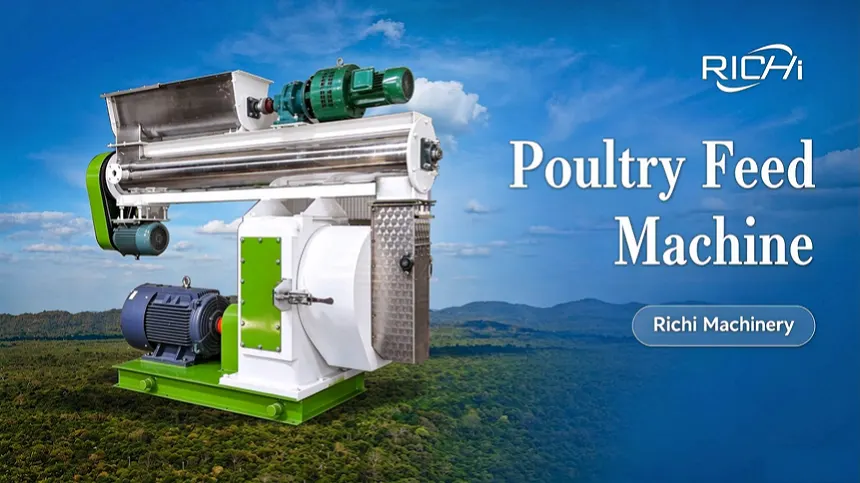
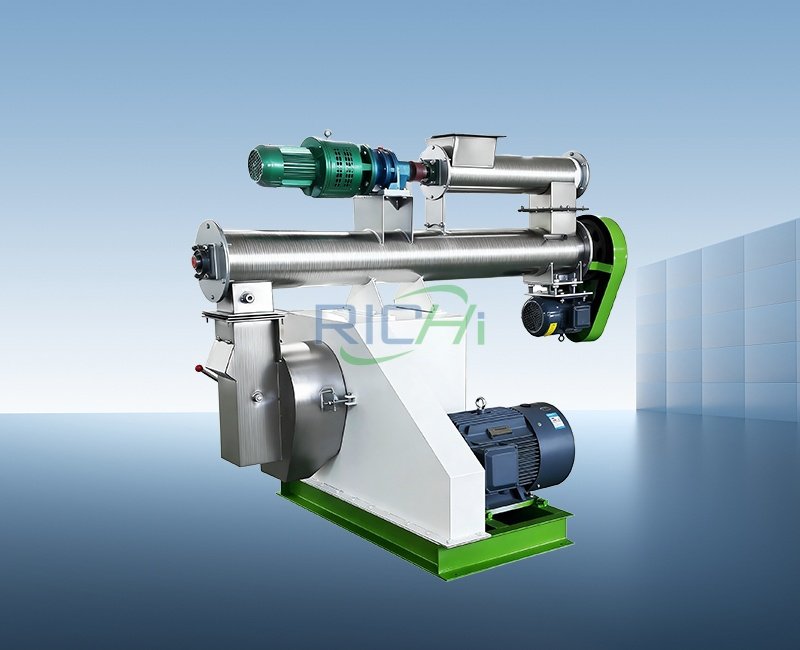
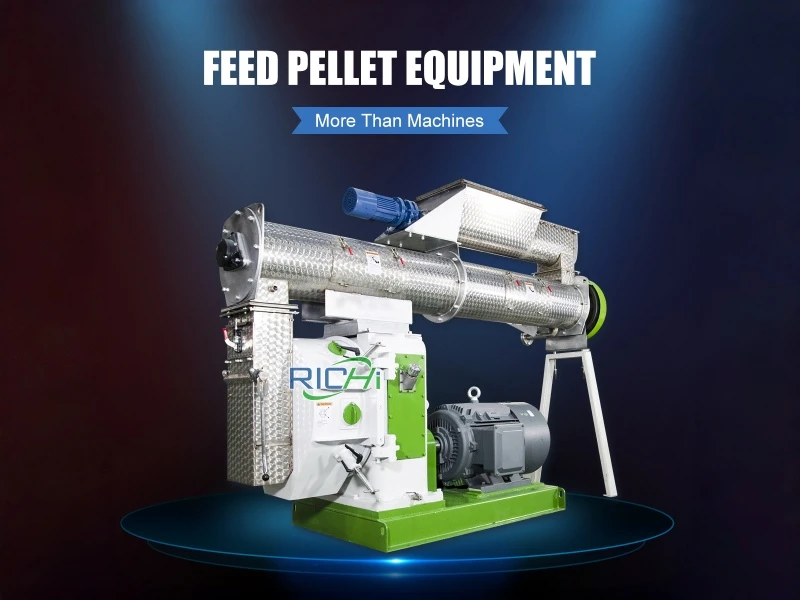
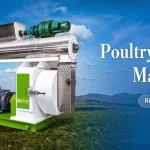
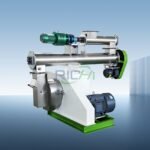
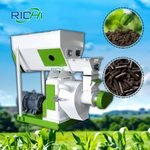
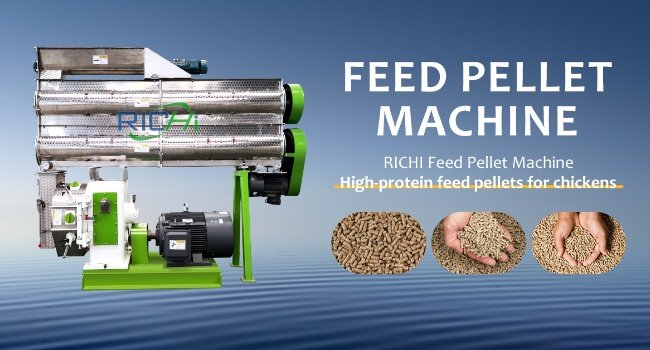
Pellet Mill / Extruder: Compresses feed into pellets or crumbles tailored to specific livestock species.
Dryer: Reduces moisture content to prolong shelf life and maintain pellet integrity.
Cooling System: Stabilizes feed to prevent breakage during storage and transport.
Packaging System: Prepares feed for distribution and commercial sale.
Modern production lines often include automation, adjustable pellet sizes, and precise nutrient control. Reliable manufacturers like RICHI provide modular and scalable solutions suitable for small farms and industrial-scale feed plants. https://richipelletizer.com/animal-feed-mill-plant/
4. Advantages of Using an Animal Feed Production Line
Investing in an animal feed production line provides multiple benefits:
Balanced Nutrition: Ensures that livestock receives adequate proteins, fats, vitamins, and minerals.
Efficient Feeding: Reduces feed waste and supports uniform consumption.
Consistent Quality: Automation produces uniform pellet size and nutrient distribution.
Scalability: Machines can be adapted for small farms or large industrial operations.
These advantages improve livestock growth, enhance feed conversion rates, and reduce overall production costs, making mechanized feed production indispensable for modern farms.
5. Technological and Environmental Considerations
Producing high-quality feed requires careful control of moisture, temperature, and pellet density. Improper processing can lead to nutrient loss, pellet disintegration, or water contamination when used in aquatic feed.
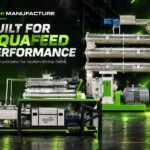
Modern animal feed production lines, including solutions from RICHI Manufacture, integrate advanced extrusion, drying, and cooling technologies, as well as automated monitoring systems. These systems maintain feed quality, minimize energy consumption, and ensure optimal pellet durability.
Environmentally, mechanized feed production reduces waste, lowers the risk of contamination, and allows the use of agricultural by-products, supporting sustainable farming practices. Efficient production processes contribute to carbon reduction and promote eco-friendly livestock management.
6. Economic and Market Significance
Feed constitutes a significant portion of livestock production costs, often accounting for 40–60% of total expenses. Efficient feed production using an animal feed production line reduces these costs, improves growth performance, and enhances farm profitability.
The global animal feed market is growing steadily, driven by rising demand for dairy, poultry, and meat products. Mechanized feed production allows farmers to meet both domestic and export market requirements. Farms with reliable production lines can produce high-quality feed for multiple species, expanding business opportunities and ensuring sustainable revenue streams.
7. Choosing the Right Animal Feed Production Line
Selecting the appropriate animal feed production line involves multiple considerations:
Capacity: From small-scale 0.5–2 tons per hour systems to industrial 10–30 tons per hour operations.
Feed Type: Pellets, crumbles, or mash, depending on livestock species.
Automation and Control: Advanced systems reduce labor and improve feed consistency.
Supplier Reliability: Reputable suppliers like RICHI provide technical support, spare parts, and maintenance guidance. Check Out Your URL
Proper equipment selection maximizes efficiency, ensures consistent feed quality, and contributes to long-term profitability.
8. Cultural and Nutritional Importance
Livestock products provide essential proteins, fats, and micronutrients for human diets. An animal feed production line ensures that livestock grows healthily, remains disease-resistant, and produces high-quality milk, meat, or eggs.
Culturally, livestock farming has shaped rural economies and traditional practices worldwide. Mechanized feed production supports these communities by increasing productivity, creating employment, and allowing integration of modern technology without compromising traditional agricultural practices.
9. Conclusion: Investing in Sustainable Feed Production
An animal feed production line is more than machinery—it represents a strategic investment in efficient, sustainable, and profitable livestock farming. It provides uniform, nutrient-rich feed, reduces waste, and supports environmental stewardship.With reliable solutions from manufacturers such as RICHI, farms can scale operations, optimize production, and meet growing global demand for animal products. Modern feed production ensures the continued development of a sustainable, high-quality, and economically viable livestock industry. Animal feed processing plant in Ethiopia